Introduction
Fast fashion effect daily life is becoming more visible as people shop, wear, and throw away clothes faster than ever before. Over recent decades, the fashion industry has shifted toward cheaper, trend-driven clothing, making stylish outfits widely accessible. While this provides convenience, it also leads to serious environmental, social, and psychological problems. The true cost of fast fashion extends far beyond low prices and seasonal trends.
Today, many consumers purchase more clothing than necessary, often ignoring quality and long-term durability. Understanding fast fashion effect daily life can help you make smarter fashion choices and reduce waste.
Understanding Fast Fashion Effects on Daily Life 

Fast fashion refers to the rapid design, production, and distribution of low-cost clothing influenced by runway trends, celebrities, and social media. Brands deliver new collections every few weeks, encouraging continuous consumer spending.
This culture promotes overconsumption and reduces the appreciation for quality craftsmanship, creating a cycle of constant buying and discarding.
Key Characteristics of Fast Fashion Effects
Mass production of inexpensive garments
Short trend cycles that encourage frequent shopping
Low-quality materials with limited durability
Heavy reliance on synthetic fabrics
Trend-based consumption habits
These characteristics contribute to both affordability and significant negative impacts on the environment and society.
How Fast Fashion Effects on Daily Life Change Consumer Behavior
The effects of fast fashion on daily life are evident in modern lifestyles. Consumers increasingly prioritize quantity over quality, often purchasing clothes they wear only a few times.

How Fast Fashion Effects Change Lifestyle Choices
Increased impulse buying
Overcrowded wardrobes
Reduced appreciation for craftsmanship
Pressure to follow fleeting trends
Social media, influencer promotions, and online sales further amplify overconsumption, leading to financial stress and reduced satisfaction, particularly among young people.
Environmental Fast Fashion Effects on Daily Life
The environmental consequences of fast fashion are severe. Clothing production consumes vast amounts of water, energy, and chemicals.
Pollution Caused by Fast Fashion Effects on Production
Excessive water usage
Toxic dyes contaminating rivers
High carbon emissions
Chemical waste affecting ecosystems
For example, producing a single cotton shirt may require over 2,700 liters of water, while untreated factory wastewater often pollutes nearby communities.
Textile Waste and Landfill Problems from Fast Fashion Effects
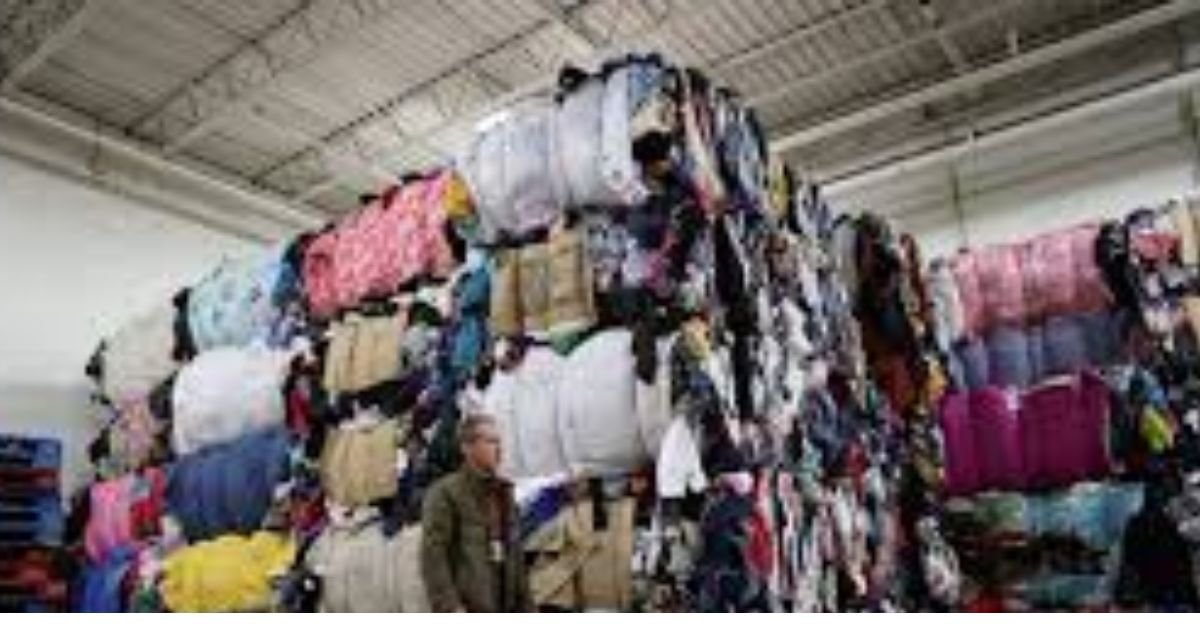
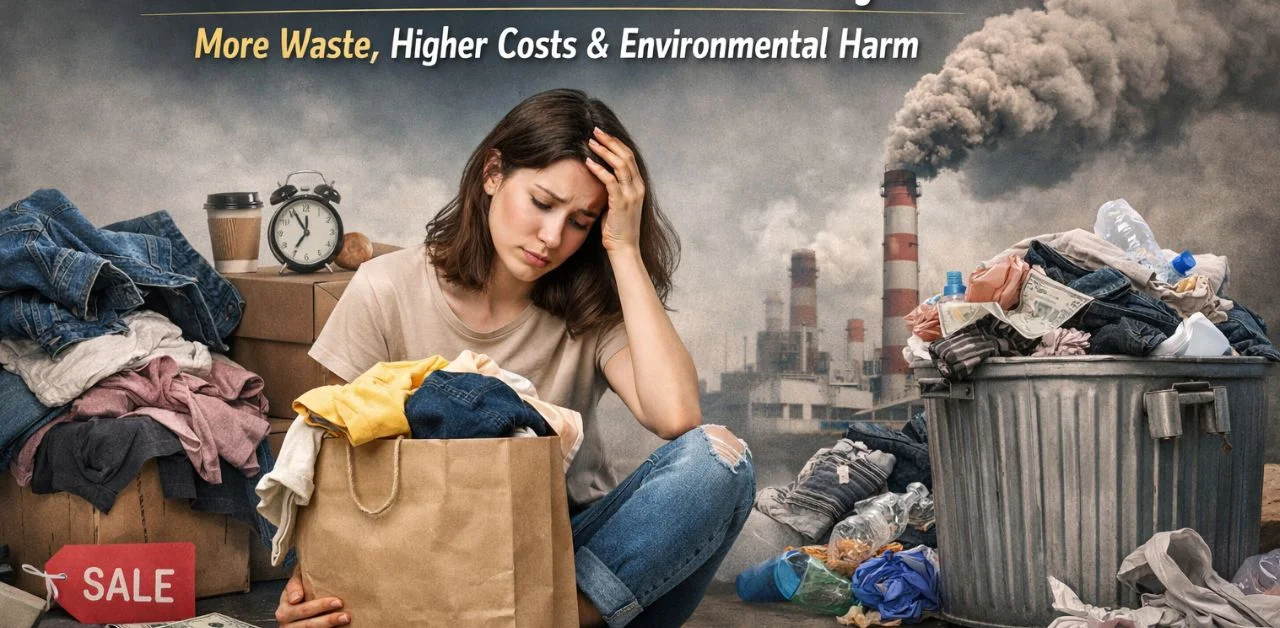
Fast fashion garments are frequently worn only a few times before being discarded. This creates a massive global waste problem.
Millions of tons of clothing are dumped annually
Synthetic fabrics take decades to decompose
Incineration releases harmful gases
Even donated clothing often ends up in landfills in developing countries
This waste damages ecosystems, contributes to pollution, and exacerbates environmental problems worldwide.
Fast Fashion Effects on Daily Life from Synthetic Fabrics
Synthetic fabrics, like polyester and nylon, dominate fast fashion collections. These materials shed microplastics during washing, which enter oceans and food chains, harming marine life and potentially human health.
Microplastic pollution from clothing is an invisible yet long-term effect of fast fashion, making its environmental footprint even more concerning.
Fast Fashion Effects on Daily Life and Human Health
Fast fashion impacts human health, not just the environment. Many garments contain chemical residues from dyes and treatments.
Health Risks Linked to Fast Fashion Effects
Skin irritation and allergies
Respiratory problems from chemical exposure
Long-term health issues for garment factory workers
Workers in developing countries face unsafe conditions, poor wages, and minimal protection, highlighting the human cost of cheap clothing.
Social and Ethical Fast Fashion Effects on Workers
Ethical concerns are a major component of fast fashion effects. The industry heavily relies on low-cost labor in developing countries.
Ethical Issues in Fast Fashion Supply Chains
Extremely low wages and long working hours
Unsafe factory environments
Child labor in some regions
These social and ethical effects emphasize the hidden costs behind affordable clothing and rapid trend cycles.
Psychological Fast Fashion Effects on Daily Life
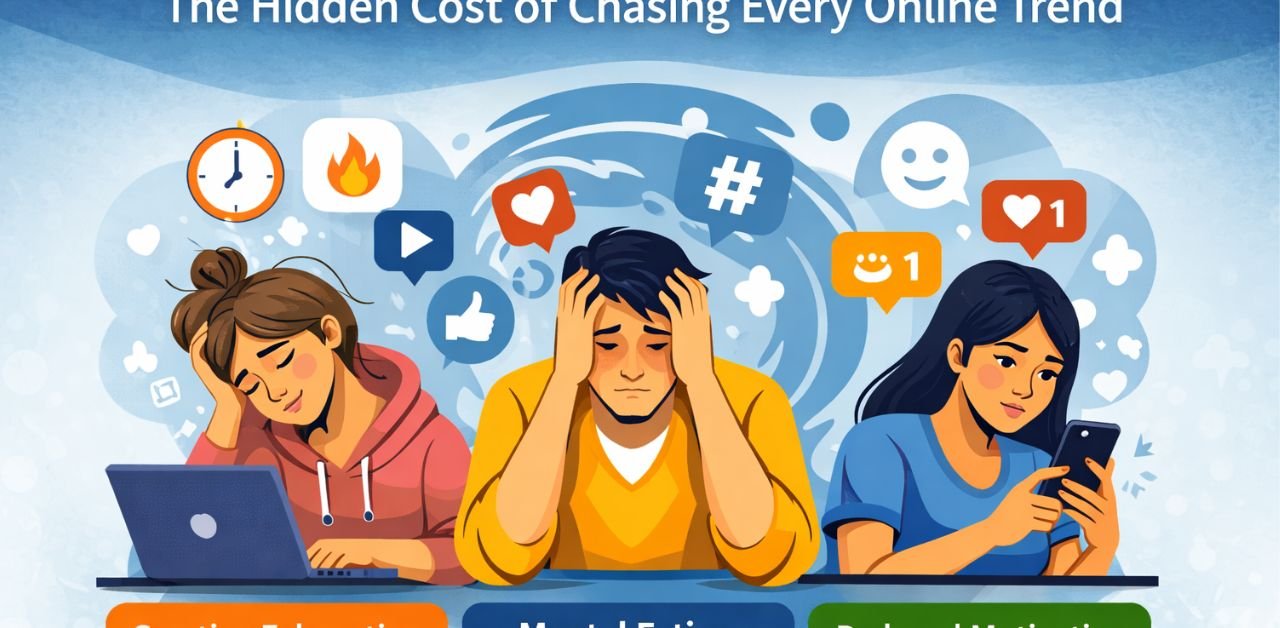
Fast fashion also affects mental health and self-image. The constant drive to buy new clothing can create emotional stress and dissatisfaction.
Emotional Impact of Trend-Based Fast Fashion Effects
Pressure to stay fashionable
Short-term happiness from shopping
Long-term guilt and reduced satisfaction
This cycle encourages overconsumption and reduces appreciation for personal style.
Sustainable Fashion as a Solution to Fast Fashion Effects
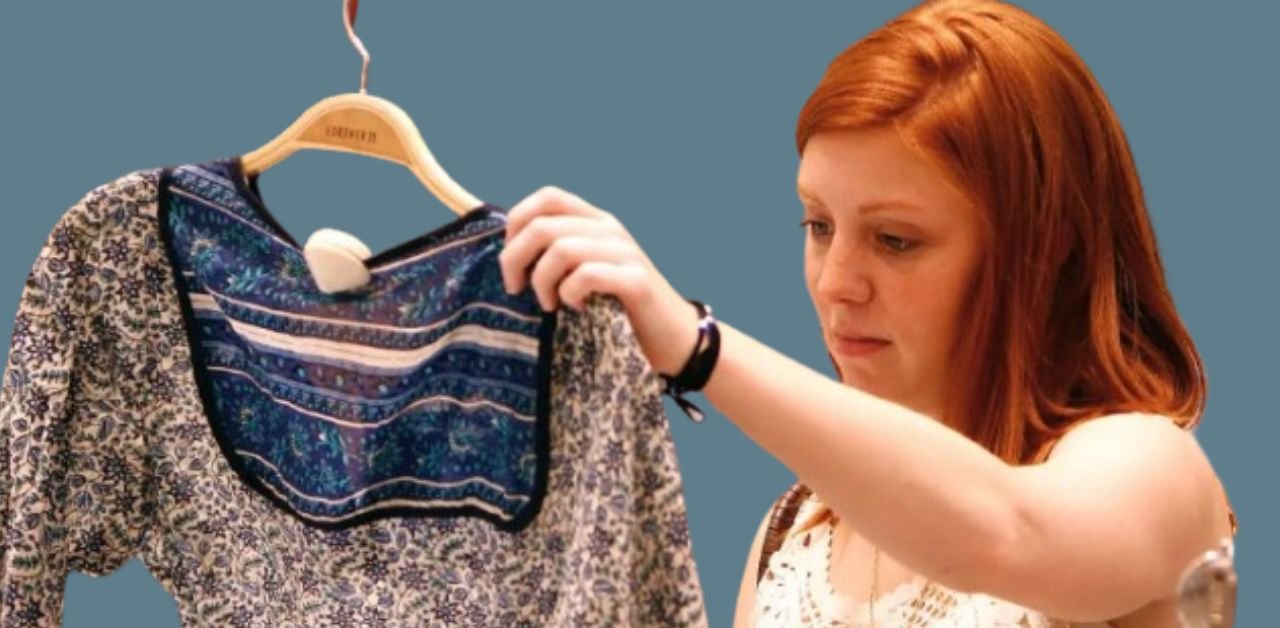
Sustainable fashion focuses on quality, ethical production, and environmental responsibility. It provides an alternative that reduces the negative impacts of fast fashion.
Benefits of Sustainable and Slow Fashion
Higher-quality garments with longer lifespan
Reduced environmental footprint
Fair wages and safer working conditions
Less waste and pollution
Adopting slow fashion practices helps individuals minimize daily life while supporting ethical brands.
Practical Ways to Reduce Fast Fashion Effects
Small lifestyle changes can significantly reduce the negative impacts of fast fashion.
How Consumers Can Reduce Fast Fashion Effects
Buy fewer, higher-quality clothes
Support ethical and eco-friendly brands
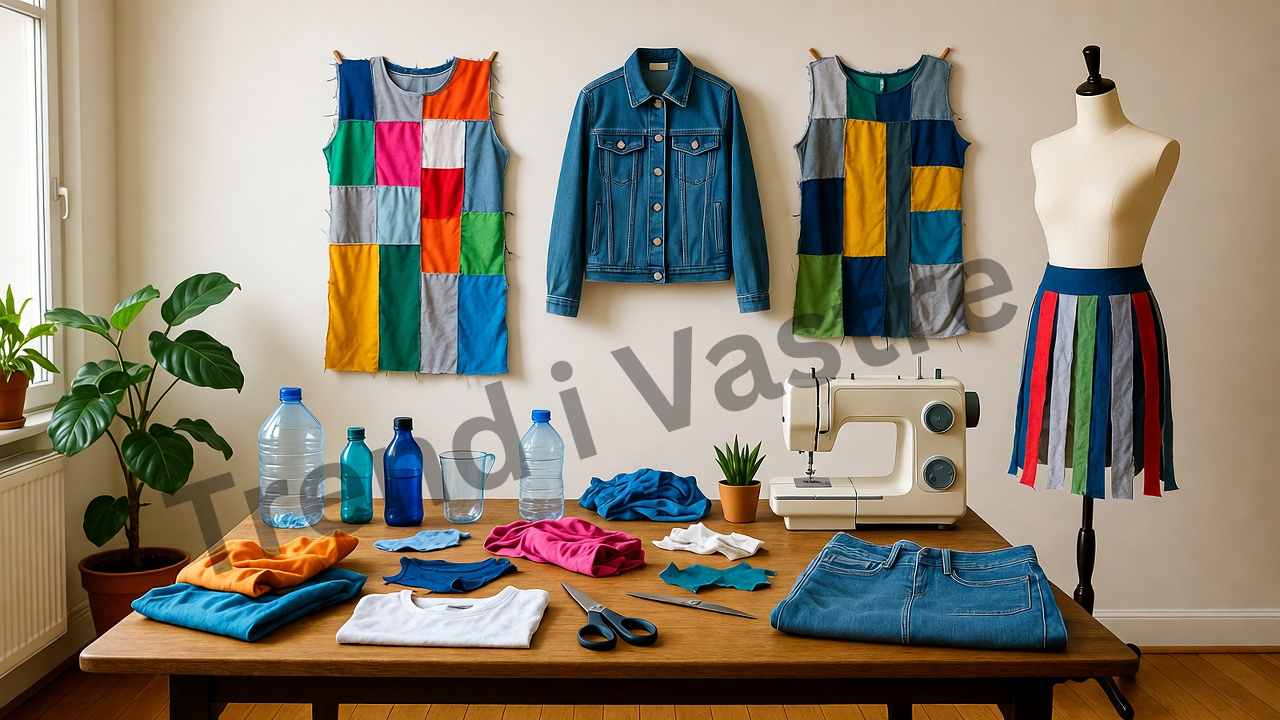
Repair and reuse garments
Avoid impulsive purchases
Educate others about sustainable fashion
These steps foster a healthier relationship with clothing and minimize environmental and social harm.
Fast Fashion Effects on Daily Life and Responsible Consumption
The fashion industry is slowly evolving. Many brands are investing in eco-friendly materials, recycling initiatives, and ethical supply chains. Consumers are also becoming more conscious of fast fashion effects on daily life and the environment.
With continued awareness and responsible choices, fashion can become sustainable, ethical, and less damaging to both people and the planet.
Conclusion fast fashion effect daily-life
Fast fashion effects on daily life influence consumer habits, environmental health, and social ethics. While fast fashion makes clothing affordable and trendy, it also causes pollution, waste, psychological stress, and labor exploitation.
By choosing sustainable alternatives, investing in quality garments, and adopting mindful shopping habits, individuals can reduce the harmful effects of fast fashion and contribute to a healthier, more ethical future.
FAQs
1. What are fast fashion effects on daily life?
Fast fashion effects on daily life include overconsumption, financial stress, decreased appreciation for quality, and environmental damage.
2. How do fast fashion effects impact the environment?
They increase pollution, water usage, carbon emissions, textile waste, and microplastic contamination.
3. Are fast fashion effects harmful to workers?
Yes. Many factory workers face low wages, unsafe conditions, and long hours, highlighting ethical concerns.
4. Can sustainable fashion reduce fast fashion effects?
Yes. Sustainable fashion emphasizes quality, ethics, and environmental responsibility, minimizing negative impacts.
5. How can individuals reduce fast fashion effects on daily life?
By buying fewer, higher-quality clothes, supporting ethical brands, repairing garments, and recycling clothing.