Introduction
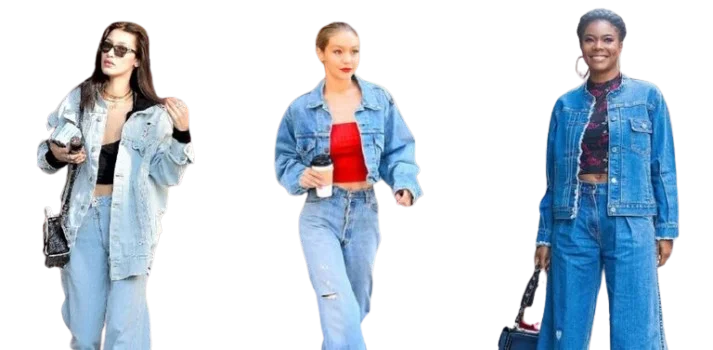
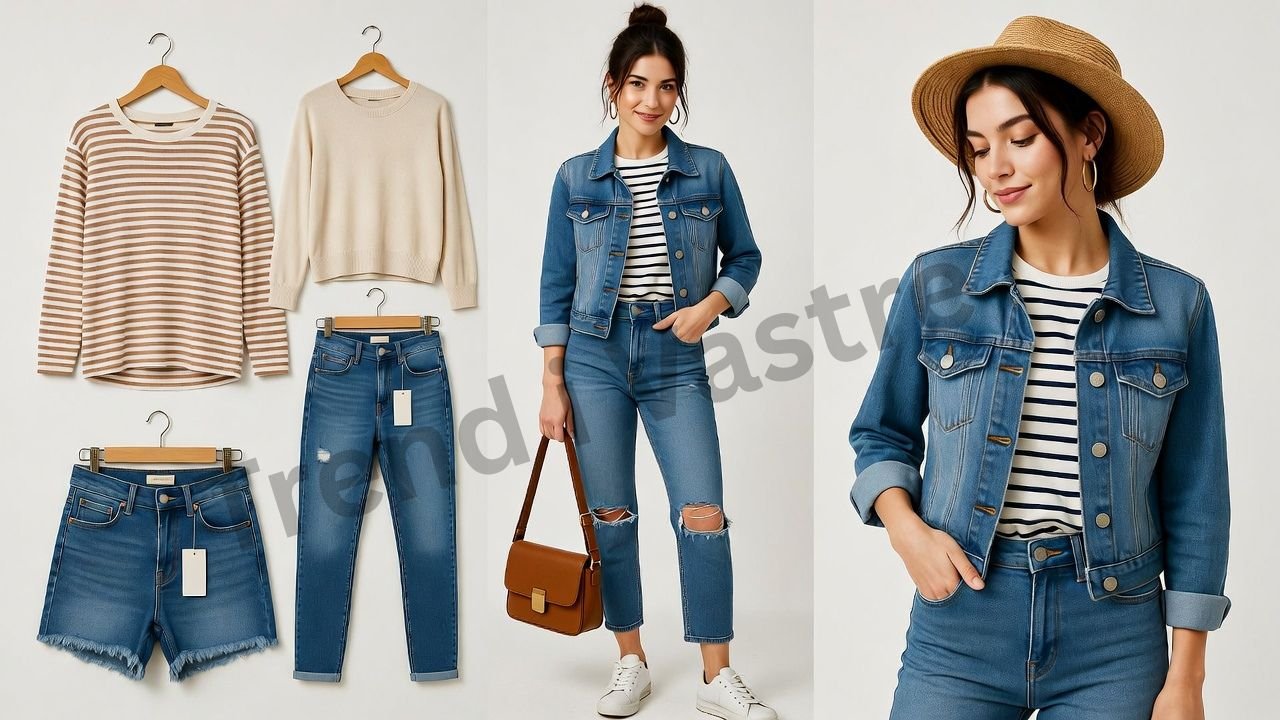
Fast fashion ethics are becoming a major concern in today’s digital world, where style moves faster than ever before. Every time we open TikTok or Instagram, a new “aesthetic” or viral outfit appears on our feed. Whether it is Barbie core or the “Clean Girl” look, the pressure to buy new clothes remains constant. As a member of Gen Z, I completely understand this struggle. Most of us want to look stylish on a budget, which explains why brands like Shein and Zara stay so popular.
However, millions of people are now asking a serious question: Is fast fashion ethical? This topic matters because our generation cares deeply about the planet’s future. In this guide, we explore fast fashion ethics from a Gen Z perspective. We will look at the hidden side of the industry and find ways to build a sustainable future together.
1. What Exactly is the Fast Fashion Model?
Fast fashion is a business model where companies move designs from the catwalk to stores in just a few days. Traditionally, fashion brands had only four seasons a year. Today, modern companies launch 52 “micro-seasons” annually. This means a new collection arrives every single week to keep customers buying.
The industry focuses on making clothes as fast and cheap as possible. While this sounds great for our wallets, it creates a massive challenge for fast fashion ethics. When speed becomes the only priority, quality and human rights usually suffer. We must realize that “disposable” clothing comes with a very high hidden price.
2. Why Gen Z Struggles with Fast Fashion Ethics
Many people judge Gen Z for shopping at these stores. However, the reality is more complex than it looks. Several solid reasons explain why our generation is hooked on these brands despite the ongoing fast fashion ethics debate:
Economic Reality: Most students cannot afford $100 for a single sustainable shirt.
Size Inclusivity: Big brands offer trendy clothes for all body types, making everyone feel seen.
Creative Expression: Cheap clothes allow us to experiment with our identity and style daily without high costs.
3. The Human Cost: A Crisis in Fast Fashion Ethics
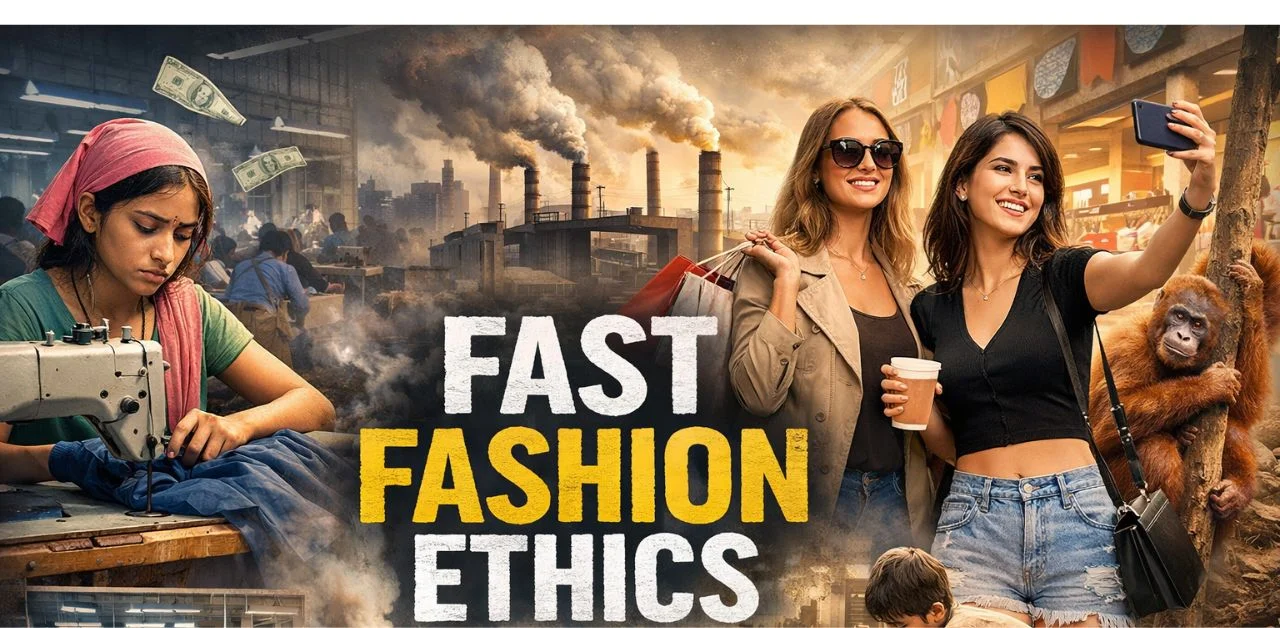
When a top costs less than a cup of coffee, someone else is paying the price. Most fast fashion items come from factories in developing countries where labor laws are weak.
In these “sweatshops,” workers face terrible conditions every day. They often work 14 to 16 hours in unsafe buildings. Furthermore, many factory owners do not pay a “living wage.” Recent reports also show that some famous brands use child labor in their supply chains. This exploitation is a dark spot on the record of fast fashion ethics.
4. Environmental Impact and Fast Fashion Ethics
The fashion industry is the second-largest polluter globally. Our love for “newness” is hurting the Earth in ways we cannot imagine.
Water Consumption: Making one cotton T-shirt takes about 2,700 liters of water.
Microplastics: Cheap synthetic fabrics release plastic into our oceans every time we wash them.
Textile Waste: People throw away millions of tons of clothes every year. These items end up in huge landfills where they take hundreds of years to disappear.
5. Why Our Generation Demands Better Fast Fashion Ethics
Unlike older generations, Gen Z uses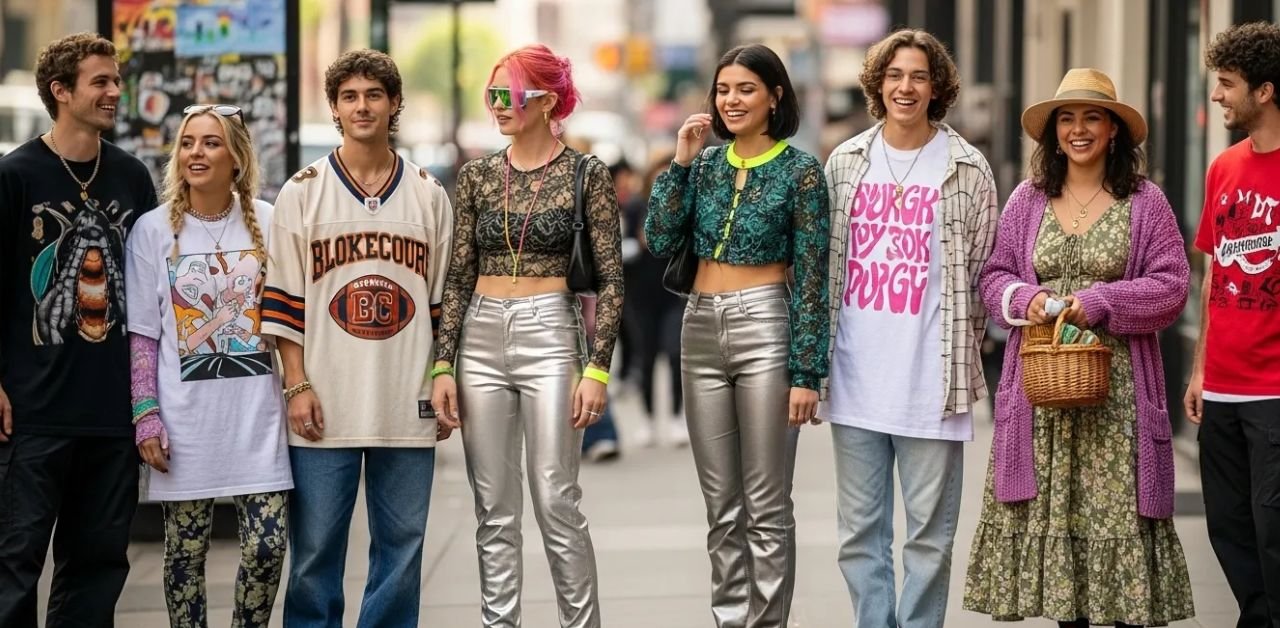 social media to demand transparency. We are the ones starting the “Slow Fashion” movement. We believe that companies must prioritize people over huge profits.
Social media is a powerful tool for us. We use it to call out brands that lie about their sustainability. By sharing information, we help our friends understand the real impact of their shopping habits and improve fast fashion ethics in our community.
6. The Psychological Trap of Micro-Trends
The internet constantly creates “Micro-Trends” that last only a few weeks. This cycle forces consumers to feel “out of style” very quickly. Fast fashion brands thrive on this feeling of inadequacy. To fight this, we must shift our mindset from “buying for a weekend” to “buying for a decade.” Building a wardrobe based on personal style rather than internet trends is a major step toward better fast fashion ethics.
7. Practical Tips to Support Fast Fashion Ethics
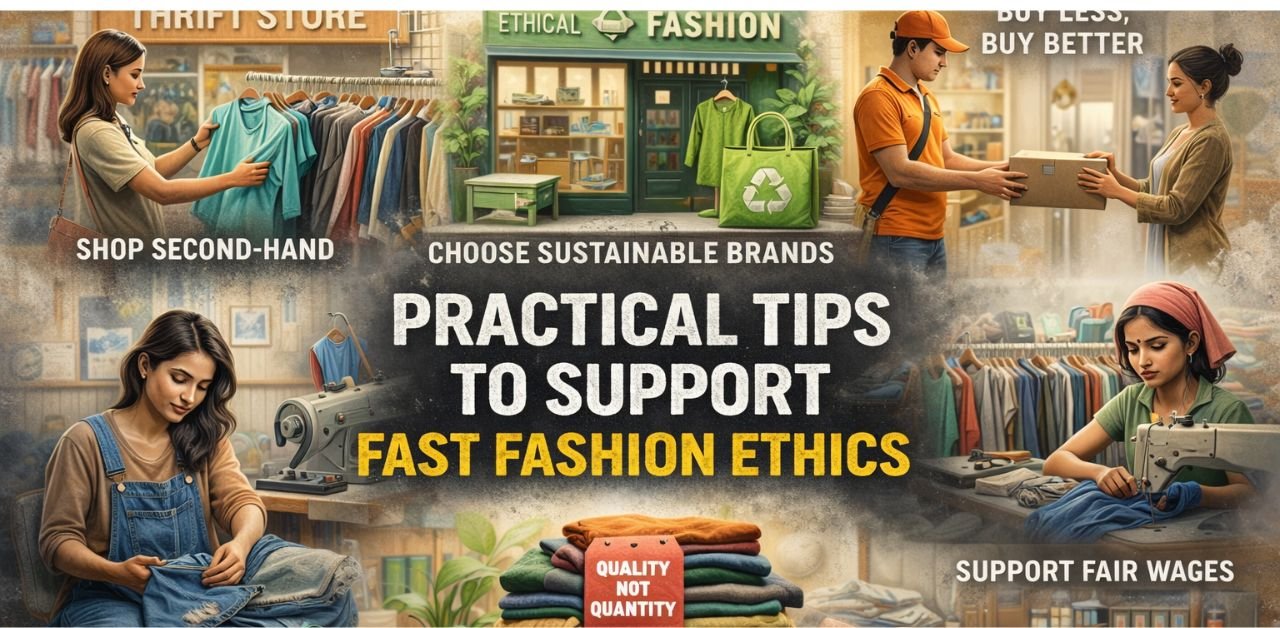
You do not have to stop shopping to make a difference. Small changes in your habits can lead to a big impact on fast fashion ethics.
The 30-Wear Rule: Before buying, ask yourself if you will wear the item 30 times.
Thrifting is Cool: Buying second-hand is the most sustainable way to shop.
Invest in Basics: One high-quality jacket is better than five cheap ones.
Clothing Swaps: Organize events with friends to trade clothes you no longer wear.
8. The Future of Sustainable Fashion and Industry Changes
Can fashion ever be 100% ethical? It is a difficult and ambitious goal, but significant progress is finally happening across the globe. Today, many innovative brands are experimenting with groundbreaking materials like mushroom leather, pineapple fibers, and recycled cotton to reduce their carbon footprint. We are also seeing the rise of solar-powered factories and waterless dyeing techniques that aim to protect our natural resources. However, it is crucial to understand that technology alone won’t fix fast fashion ethics.
The real solution requires a massive cultural shift in how we perceive clothing. We need to move away from the “disposable” mindset and start valuing the hands that make our clothes as much as the clothes themselves. This means supporting fair wages, ensuring safe factory conditions, and demanding transparency from every brand we shop from. The future of fashion depends on circularity—where clothes are designed to be repaired, reused, and recycled instead of being thrown into a landfill after a single season. As Gen Z consumers, our continued pressure on big corporations is what will truly drive this transformation toward a more ethical industry.
Conclusion:
To sum it up, is fast fashion ethical? When we look at it from a Gen Z perspective, the answer is clearly no. While the industry offers us instant style, constant trends, and low-cost affordability, the true cost to human lives and the environment is far too high to ignore any longer. We can no longer separate the clothes we wear from the stories of the people who made them or the damage caused to our oceans and forests.
However, being aware of the problem is the first step toward a solution. By choosing to shop mindfully, supporting second-hand markets, and holding brands accountable, we can collectively improve fast fashion ethics on a global scale. We have the power to vote with our wallets and demand a fashion system that respects both people and the planet. Let’s stop chasing every micro-trend and start building a wardrobe that reflects our values. It is time to make better, more conscious choices starting today, because our future is worth more than a $5 t-shirt.
FAQs: Everything You Need to Know
Q1: What are the main issues with fast fashion ethics?
The biggest problems include poor working conditions, low wages, and child labor. Additionally, the industry causes massive environmental damage through water pollution and waste.
Q2: How can I tell if a brand cares about fast fashion ethics?
Check for certifications like “Fair Trade” or use apps like “Good On You.” These resources rate brands based on their impact on people and the planet.
Q3: Is thrifting actually better for fast fashion ethics?
Yes! Thrifting recycles existing garments, reduces landfill waste, and stops the demand for new resource-heavy production.
Q4: Why is sustainable fashion so expensive?
Sustainable clothes cost more because the workers receive fair wages, and the materials are eco-friendly and durable. It is an investment in quality and fast fashion ethics.
Q5: What should I do with old clothes to maintain fast fashion ethics?
Instead of throwing them away, try to donate them, sell them on resale apps, or repurpose the fabric for DIY projects.