Introduction
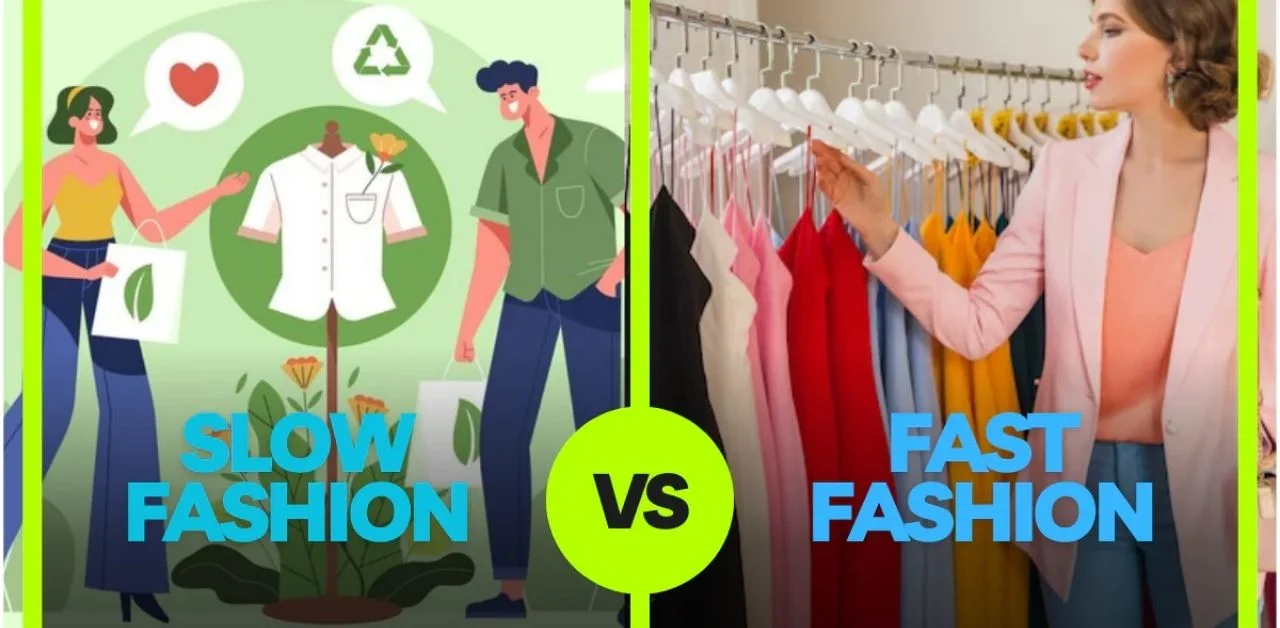
Fast Fashion Fabrics to Avoid are not just cheap and trendy; they can harm your skin, pollute the environment, and wear out quickly. While fast fashion makes new styles cheap and exciting, many clothes are made from synthetic materials loaded with harsh chemicals. These fabrics trap heat, irritate sensitive skin, and release microplastics into oceans when washed. By knowing which fabrics to avoid, you can shop smarter, choose eco-friendly alternatives, and build a wardrobe that is comfortable, long-lasting, and better for the planet. This guide will help you identify harmful fabrics and discover safer options for everyday wear.
1. Polyester: The Most Used and Most Harmful Fabric
Polyester is one of the most common fabrics in fast fashion because it’s affordable and easy to produce. But behind this convenience is a huge environmental cost. Polyester is made from plastic, releases microplastics into oceans, and takes centuries to break down. It also feels hot and uncomfortable on the skin. Knowing these risks helps you shop better.
Why to avoid polyester Fast Fashion Fabric to Avoid and Its Harmful Effects
- Made from petroleum (plastic)
- Releases microplastics during washing
- Not breathable → causes sweating and irritation
- Takes 200+ years to decompose
- High carbon footprint
Better Alternatives
Organic cotton, linen, modal, Tencel

Related reading: Check out Sustainable Fabric Alternatives
2. Nylon: Soft but Extremely Polluting
Nylon feels soft and stretchy, so brands use it in leggings, activewear, and fitted clothing. However, nylon production creates extremely harmful greenhouse gases. This synthetic fiber also traps heat, making it uncomfortable in warm weather. Because it doesn’t break down naturally, it pollutes the environment for years.
Why avoid nylon
- Produces nitrous oxide (300× stronger than CO₂)
- Non-biodegradable
- Heat-trapping and uncomfortable
- Often dyed with toxic chemicals
Better Alternatives
Bamboo fabric, recycled nylon (when necessary)
Acrylic: The “Cheap Wool” That Causes Skin Problems
Acrylic is often used to make affordable winter sweaters, but it comes with hidden issues. Many people experience itching or allergies because acrylic is made with heavy chemicals. It sheds microplastics easily and is highly flammable. Its short lifespan makes it a poor long-term choice.
Why avoid acrylic
- Highly flammable
- Causes itching and allergies
- Releases microplastics
- Requires toxic chemicals
Better Alternatives
Wool, recycled wool, cotton knitwear
4. Rayon/Viscose: Looks Natural But Isn’t
Rayon looks smooth and natural, but its production process is filled with toxic chemicals that harm workers and the environment. Forests are often cut down to create rayon, contributing to deforestation. Fast Fashion Fabrics to Avoi also shrinks easily and loses shape after washing.
Why avoid rayon
- Causes deforestation
- Uses harmful chemicals (carbon disulfide)
- Shrinks easily
- Pollutes water
Better Alternatives
Tencel, Modal, Bamboo lyocell
5. PU Leather (Faux Leather): Plastic in Disguise

PU leather looks stylish and cruelty-free, but Fast Fashion Fabrics to Avoid are actually made from plastic. It cracks quickly, peels easily, and releases microplastics into the environment. Its lifespan is short, making it a poor investment for both the planet and your wardrobe.
Why avoid PU leather
- Made from polyurethane (plastic)
- Cracks and peels fast
- Releases microplastics
- Non-biodegradable
Better Alternatives
Cork leather, cactus leather, mushroom leather, recycled real leather
6. PVC (Polyvinyl Chloride): The Most Toxic Artificial Fabric
PVC is used in raincoats, belts, shoes, and handbags, but it is one of the most dangerous fashion materials. Fast Fashion Fabrics to Avoid contains toxic chemicals that harm manufacturers and pollute the environment. PVC cannot be recycled easily and releases hazardous fumes when heated.
Why avoid PVC
- Contains toxic chemicals like phthalates
- Hard to recycle
- Releases harmful fumes
- Dangerous for workers and the environment
Better Alternatives
Cork, natural rubber, hemp leather
7. Cheap Blended Fabrics (Polyester + Cotton)
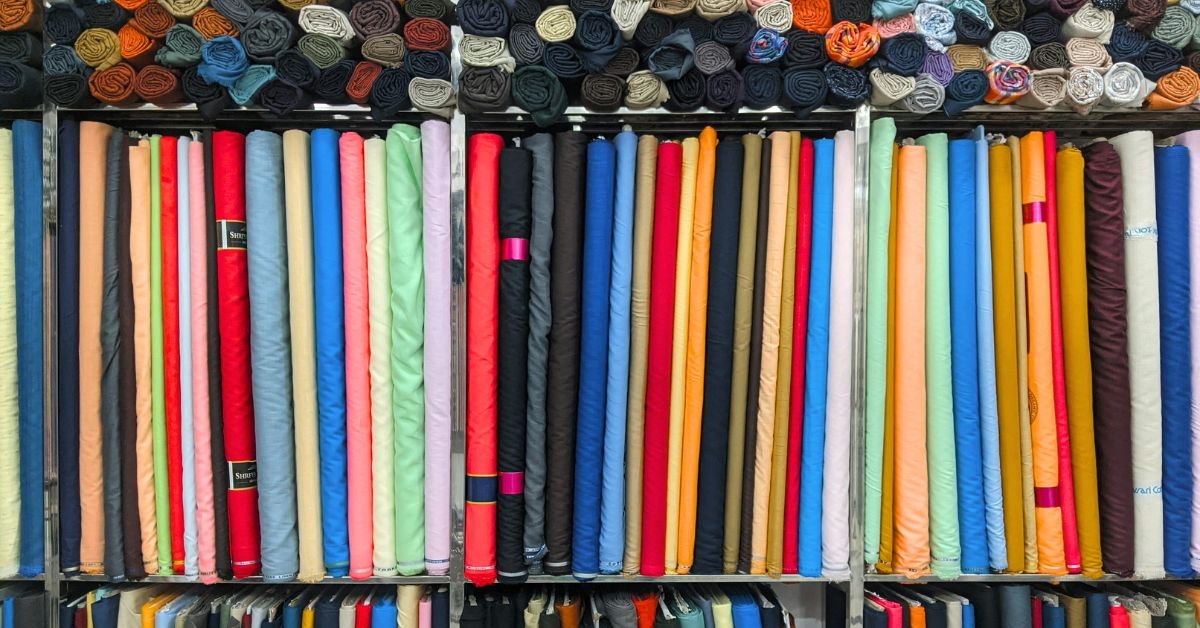
Fast Fashion Fabrics are popular because they mix natural fibers with cheap synthetic ones. However, this combination makes them nearly impossible to recycle. Blended fabrics also trap heat, absorb odor, and wear out quickly, especially when polyester is included.
Why avoid blended fabrics
- Difficult to recycle
- Short lifespan
- Release microplastics
- Trap heat and odor
Better Alternatives
100% natural fabrics
How to Identify Fast Fashion Fabrics Quickly
Most shoppers don’t know how to examine clothing labels, but it’s simple once you know what to look for. Synthetic fabrics feel plastic-like and stretchy. Low prices usually mean cheap materials. Sustainable brands clearly list their fabric sources, so transparency is a good sign.
Steps to identify fabrics
- Read the label → Avoid polyester, nylon, acrylic, rayon, PU, PVC
- Do a feel test → Plastic-like, shiny, overly stretchy = synthetic
- Compare prices → Low price usually means low-quality fabric
- Check brand transparency
- Prefer natural, breathable fibers
📌 Internal link idea: How to Read Clothing Fabric Labels
FAQs
1. Which fabric is the most harmful in fast fashion?
Polyester is the most harmful because it releases microplastics, is made from plastic, and takes centuries to decompose.
2. Are natural fabrics always better?
Yes, natural fabrics like cotton, linen, hemp, and wool are generally safer, long-lasting, and environmentally friendly.
3. Is rayon eco-friendly?
No, the rayon production process uses toxic chemicals and causes deforestation.
4. How can I avoid harmful fabrics while shopping?
Check labels, avoid synthetic names, feel the texture, and choose brands that share fabric information.
5. Are blended fabrics of good quality?
Blended fabrics may feel comfortable, but are hard to recycle and often include polyester.
6. What is the best eco-friendly fabric?
Tencel (Lyocell) is one of the best. It’s soft, breathable, and produced using an environmentally safe method.
Conclusion
Avoiding harmful fast-fashion fabrics is one of the simplest ways to reduce environmental damage. By choosing natural or sustainable materials, your clothes last longer, feel better on your skin, and produce less waste. Every conscious choice helps protect the planet and encourages brands to become more responsible. Starting today, your wardrobe and the environment will thank you.