Introduction
Deep dive investigations are essential for uncovering the truth behind fast fashion waste, which remains one of the largest environmental and social problems in the global clothing industry. Every year, millions of garments are discarded, rivers are polluted with toxic chemicals, and workers face unsafe conditions all hidden behind cheap prices. Moreover, these studies reveal greenwashing practices, massive clothing returns, and unsafe labor, showing the true cost of ultra-affordable fashion. This report exposes what happens behind factory doors and throughout the fast fashion supply chain.
How Deep Dive Investigations Reveal Pricing Realities
Ultra-cheap garments exist because brands cut corners at every stage of production. Through deep dive investigations, it becomes clear that profits often take priority over worker safety and environmental protection. Many costs are externalized, which means the planet and local communities bear the burden. Rivers become polluted, carbon emissions rise, and most consumers remain unaware of the hidden damage until researchers look closer at the data.
Understanding Environmental and Human Costs Through Detailed Research
Fast fashion pricing relies on unsafe labor practices and environmental neglect. Detailed research shows that workers may face dangerous conditions while rivers and forests suffer from industrial pollution.
The Logistics of Waste: How Research Tracks Clothing Returns
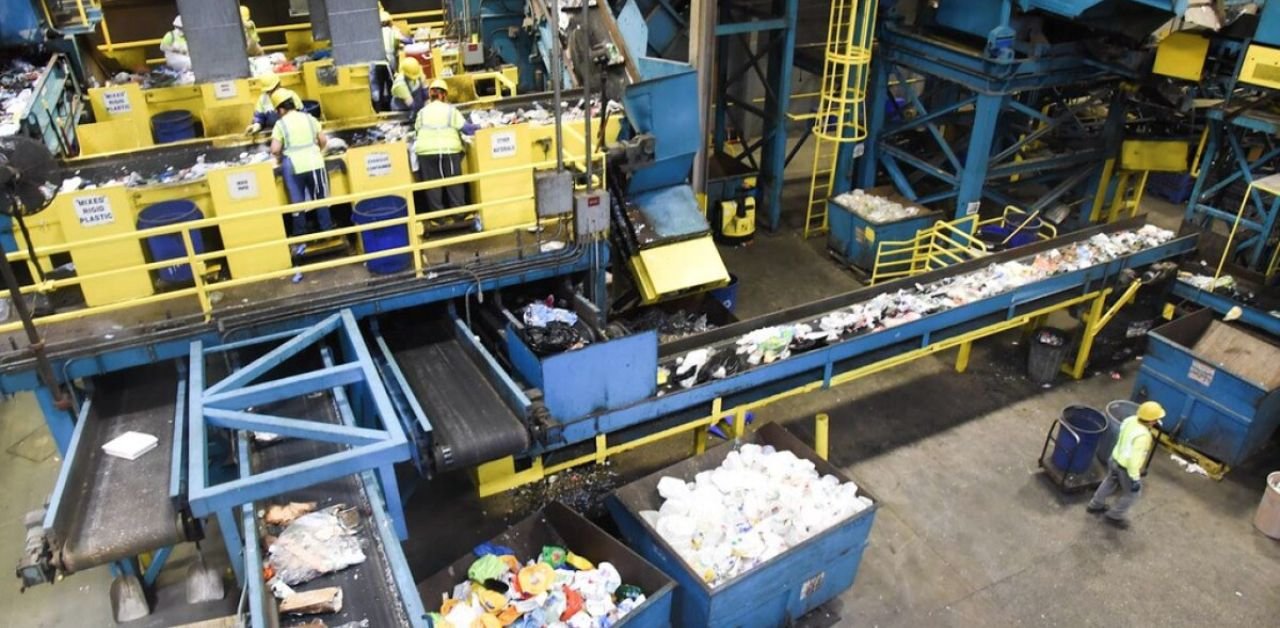
Major brands rarely own the factories producing their garments. Recent investigations reveal a complex network of subcontractors and “shadow factories” operating without proper oversight. Therefore, companies can avoid accountability for fabric processing and chemical use. Meanwhile, modern tools like satellite imagery make it harder for companies to hide these practices from independent researchers.
Tracking How Fast Fashion Returns Contribute to Environmental Waste
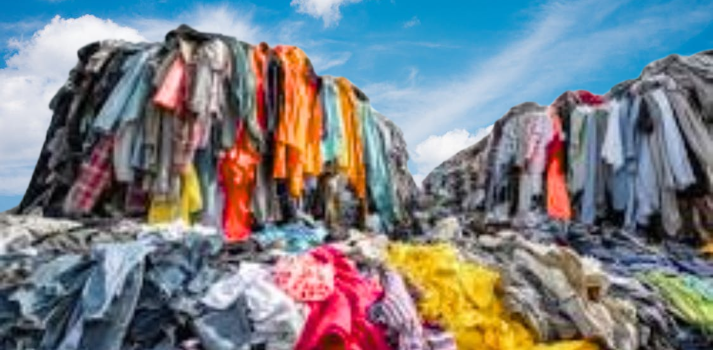
Brands often discard returned clothing instead of inspecting it. As a result, mountains of perfectly new garments end up in landfills, a fact often uncovered by experts looking into supply chain logistics. The Greenwashing Trap: Why Deep Dive Investigations Verify Claims
Not every “eco” label is trustworthy. For example, a brand may use a small amount of recycled polyester while increasing overall production. Using deep dive investigations, experts have found that greenwashing misleads consumers into thinking they are making sustainable choices; however, the environmental impact remains significant.
How Toxic Plastics Hide Behind Corporate Marketing
Even recycled fabrics shed microplastics into oceans. Therefore, independent analysis is essential to verify brand claims and measure actual environmental harm caused by synthetic materials.
How Independent Research Helps Reveal Industry Practices
Consumers often trust corporations, but deep dive investigations uncover the truth. Studies show that even “recycled” clothing contributes to pollution, and labor practices often exploit workers. Moreover, these investigations provide transparency that corporate marketing hides.
The Role of Third-Party Research in Exposing Global Fashion Practices
Independent studies hold brands accountable, revealing greenwashing, unsafe labor, and environmental hazards that are often missed by casual observation.
The Impact of Toxic Chemicals and the Importance of Deep Dive Investigations
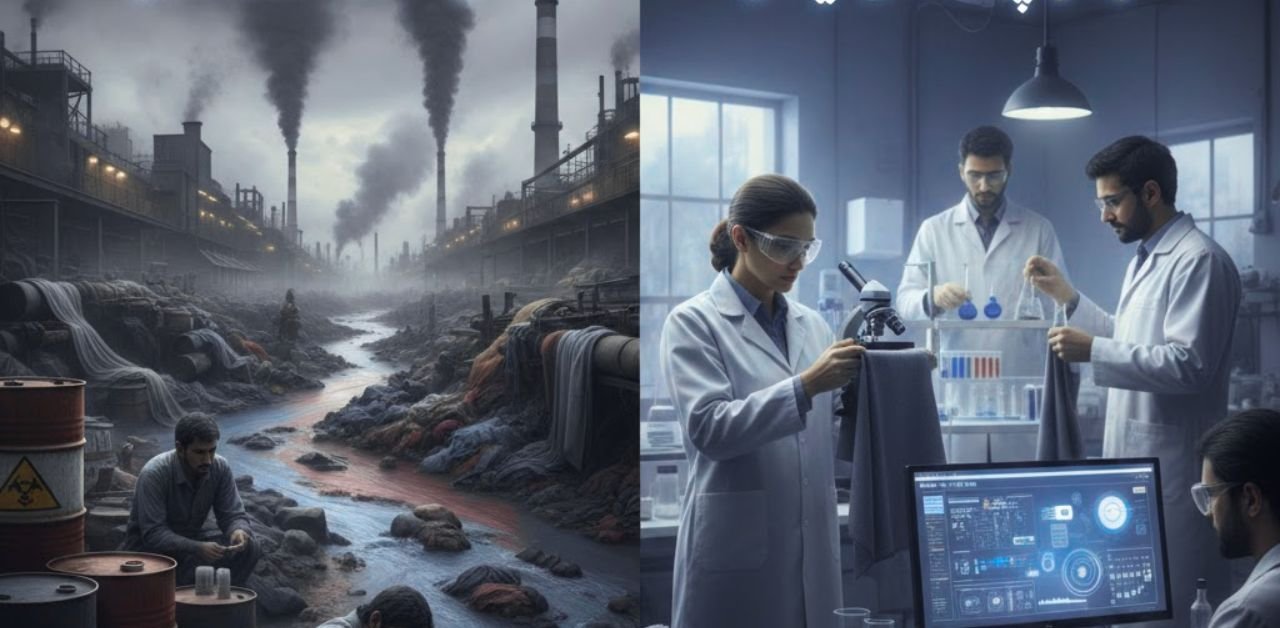
Toxic chemicals like lead and phthalates remain in fabrics and can be absorbed through the skin. As a result, both garment workers and consumers face serious health risks. highlight the need for safer production standards across the industry to protect human health.
Why Research Is Vital for Worker and Consumer Safety
Scientific analysis reveals hidden chemical hazards in clothing, helping regulators and consumers push brands toward safer practices.
Why Deep Dive Investigations Matter for
Sustainability
Free returns and low prices have hidden costs. Brands often discard returned garments rather than inspecting them, therefore contributing to massive clothing waste. Deep dive investigations reveal the scale of this problem, exposing the unsustainable nature of fast fashion models.
How Studies Reveal Clothing Waste and Labor Abuses
Research empowers consumers to make informed choices. By conducting thorough studies, organizations highlight the environmental, social, and ethical consequences of modern consumerism.
Conclusion:
Deep dive investigations are a powerful tool for change. By looking beyond marketing, consumers can understand the real cost of their wardrobe. Therefore, choosing clothing thoughtfully and supporting sustainable practices allows purchases to align with personal values and promotes a healthier planet.
How Do These Studies Expose Fast Fashion Issues?
Independent studies reveal hidden supply chain practices, environmental damage, and labor exploitation that brands often hide.
Can Investigations Help Stop Greenwashing?
Yes. Deep dive investigations provide third-party verification that can expose misleading sustainability claims.
Steps to Conduct Your Own Brand Research ?
Check third-party transparency indices, B-Corp certifications, and independent labor reports.
Do These Investigations Focus Only on the Environment?
No. They also cover human rights, worker safety, and economic impacts through a holistic research lens.