INTRODUCTION
Fast fashion trend fatigue among consumers is the leading cause of shopping burnout as we enter 2026. For many years, big brands convinced us that “newness” was a daily necessity. However, the constant pressure to keep up with weekly micro-trends has finally backfired. Today, people open closets full of clothes yet feel like they have nothing to wear. This sense of exhaustion is a real and growing problem. In the industry, we call this fast fashion trend fatigue among consumers. Furthermore, this feeling is transforming the entire fashion landscape. It is moving shoppers away from a race for speed. Instead, people now prioritize mindfulness and quality over quantity. We have reached a critical breaking point because the dopamine hit of a new purchase lasts only a few seconds. Consequently, the crushing weight of a cluttered wardrobe takes over the buyer’s mind.
Defining Fast Fashion Trend Fatigue Among Consumers
To understand fast fashion trend fatigue among consumers, we must look closely at mental exhaustion. It is not just about being “bored” with your current wardrobe. Rather, it is a deep frustration with a system that demands constant buying. Imagine opening a shopping app and seeing thousands of new arrivals every single morning. Instead of feeling inspired, you likely feel overwhelmed. This is a classic example of decision fatigue. Moreover, every aesthetic now has a specific, confusing name. You see “coquette-core” one day and “mob wife” the next. Unfortunately, most of these trends are considered “out” within two weeks. Therefore, the human brain starts to shut down. We are exhausted by the noise and the physical clutter. We feel that no matter how much we spend, we are always one step behind the digital algorithm.
How Micro-Trends Fuel Fast Fashion Trend Fatigue Among Consumers
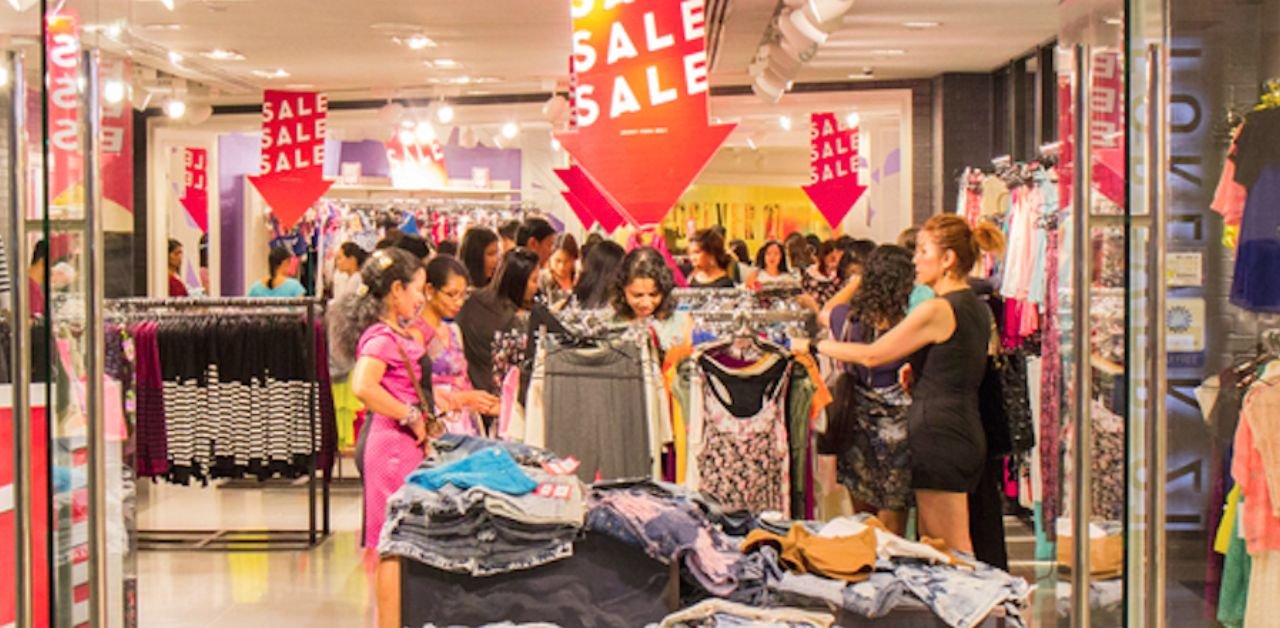
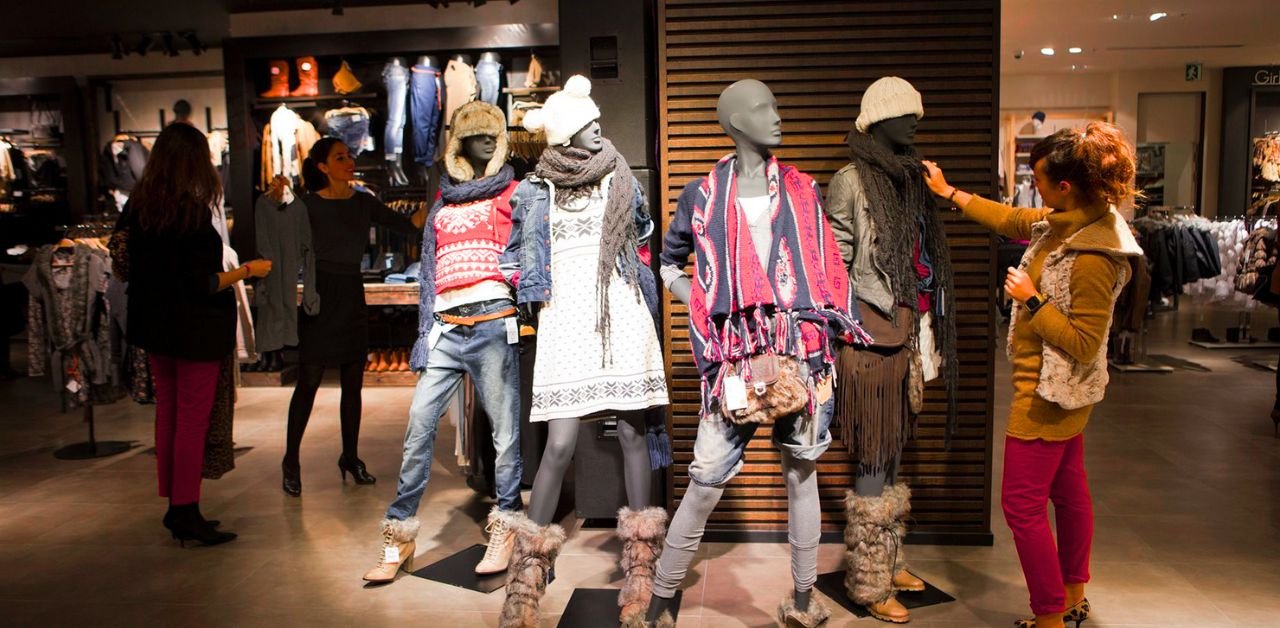
Social media has successfully turned fashion into a disposable, one-time product. Consequently, this has become a primary driver of fast fashion trend fatigue among consumers. In the past, fashion followed four distinct seasons. Now, it follows viral cycles that change every few days. This creates what experts call a “speed-to-boredom” pipeline. Often, a trend becomes “cringe” or outdated before your order even arrives at your doorstep. Such an unsustainable pace makes shoppers realize they are chasing a moving target. It feels like a treadmill that keeps getting faster and faster. Eventually, you just want to jump off and stop the madness. This is exactly why viral haul culture is dying in 2026. People now realize that a viral video does not equal a functional or stylish life.
Psychological Style Burnout and the Paradox of Choice
The psychological weight of owning too much is a heavy burden to carry. Specifically, fast fashion trend fatigue among consumers occurs when the brain faces the “paradox of choice.” When you have too many low-quality options, you actually lose the ability to make a good decision. This leads to intense stress every morning. You stare at a mountain of clothes and feel a sense of emptiness. Perhaps you bought each of those items for a version of yourself that only existed for five minutes. As a result, this leaves you with a disjointed identity. By simplifying their wardrobes, consumers in 2026 are finally reclaiming their mental space. They are reducing the “noise” in their daily lives. Most importantly, they want a sense of self that an algorithm does not dictate.
The Financial Toll of Fast Fashion Trend Fatigue Among Consumers
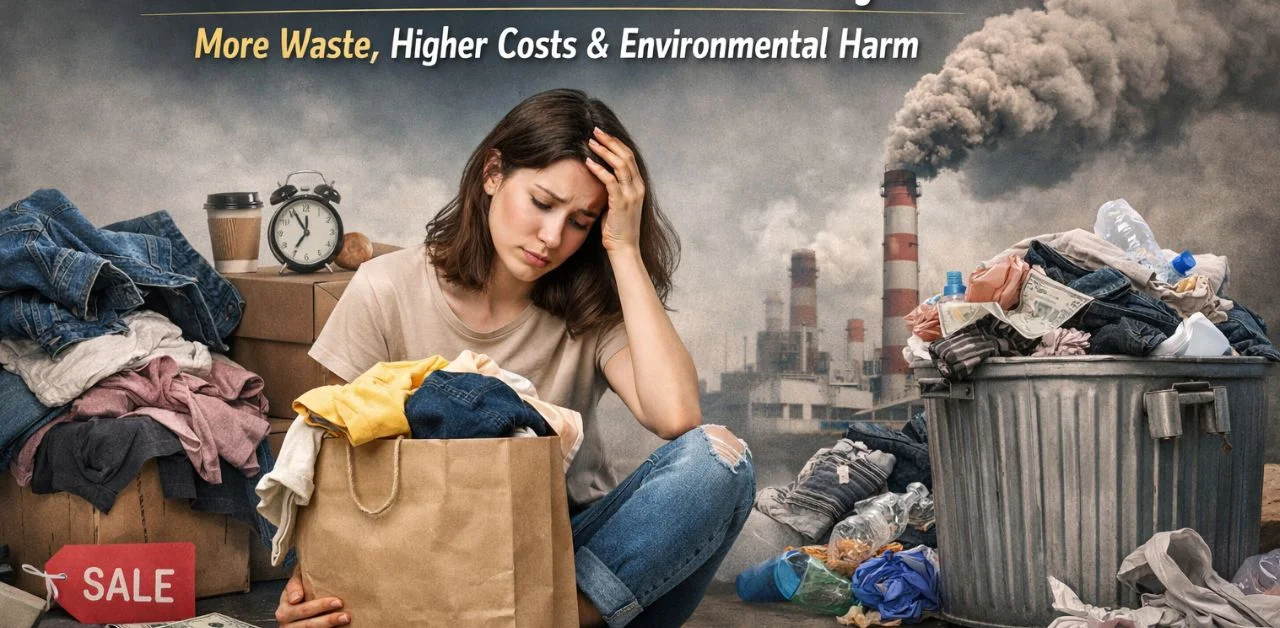
Beyond mental stress, there is a massive financial reality that we cannot ignore. Fast fashion trend fatigue among consumers grows as people look at their shrinking bank accounts. Individual items look “cheap” at first glance, but frequent buying is incredibly expensive. In 2026, the rising cost of living has changed how we spend our money. Shoppers are waking up to the “small spend” trap. For example, buying five $20 tops a month feels like a small act. However, over a year, you spend $1,200 on items that fall apart. This financial awakening is very powerful. People now realize that “disposable” fashion is a luxury they simply cannot afford. Therefore, the shift toward “cost-per-wear” thinking is replacing the thrill of the bargain.
A Social Media Rebellion Against Trend Cycles
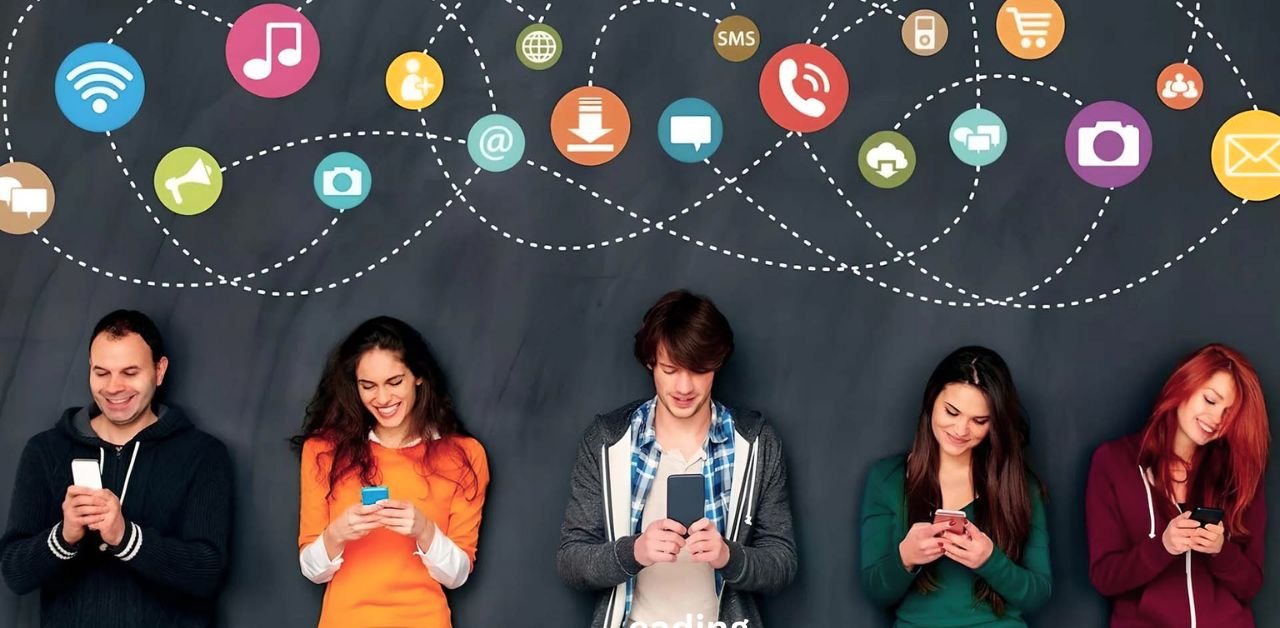 One interesting response to fast fashion trend fatigue among consumers is the “De-Influencing” movement. We are no longer impressed by creators with massive boxes of plastic-wrapped clothes. In fact, these videos now feel out of touch and wasteful. The most influential voices of 2026 are very different. They show us how to style one blazer in ten different ways. In addition, they teach us how to repair old boots instead of buying new ones. This rebellion is about reclaiming power from the big advertisers. It is about saying “no” to things we do not actually need. This shift helps consumers lower their daily anxiety. They find true satisfaction in what they already own. Consequently, they stop worrying about what they are “missing out” on.
Environmental Awareness: Ending Fast Fashion Trend Fatigue Among Consumers
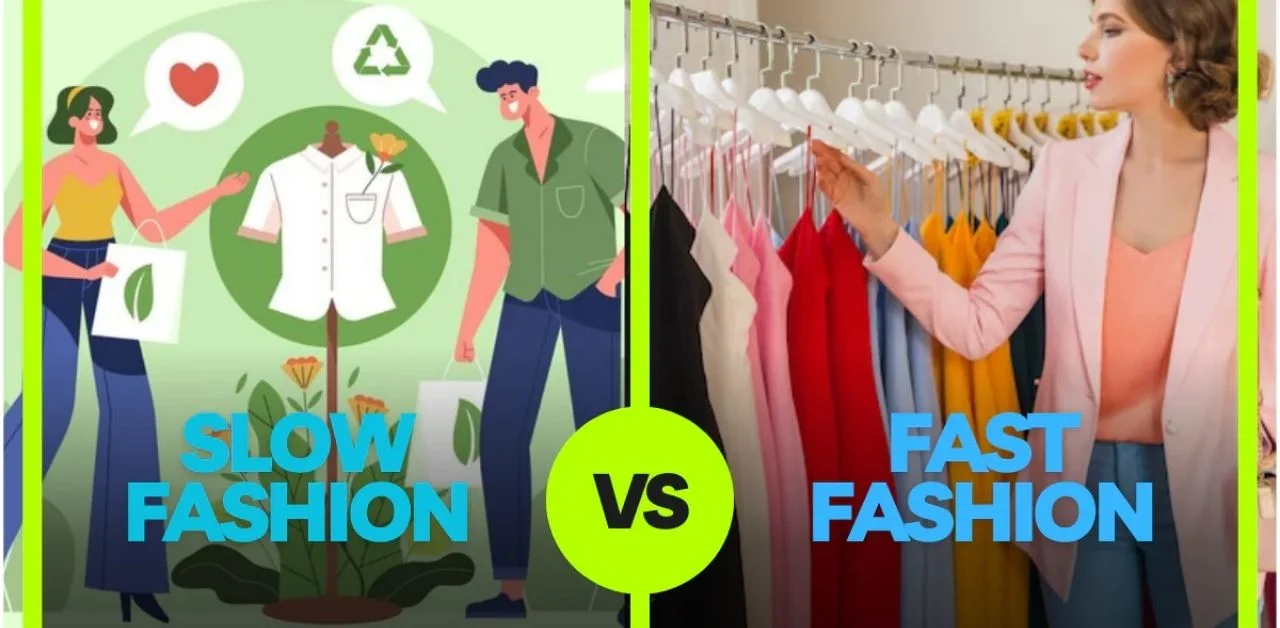
Ethics are now a major cause of fast fashion trend fatigue among consumers. Today’s shopper knows much more about textile waste and carbon footprints. They are also aware of the poor treatment of garment workers in distant factories. Because of this, every cheap polyester top now brings a sense of “eco-guilt.” This moral weight makes the shopping experience feel heavy and negative. Knowing that a shirt ends up in a landfill after only two wears is a sobering thought. Indeed, this thought stops many people in their tracks. This awareness drives a powerful move toward a circular economy. People are now thrifting, swapping, and buying from ethical brands. Ultimately, they want to feel good about their clothes again.
Digital Detox: Escaping the Fast Fashion Trend Fatigue Among Consumers
To fight fast fashion trend fatigue among consumers, many choose a “Digital Fashion Detox.” They intentionally unfollow fast-fashion brands on Instagram. Moreover, they mute hashtags that promote mindless overconsumption. They even delete shopping apps for several months at a time. This clears the digital clutter from their lives. It allows you to hear your own creative voice again. When brands do not tell you what to buy every five seconds, you finally remember your own taste. This detox is a vital survival tactic for 2026. It allows shoppers to reset their dopamine levels. Then, they start to approach fashion with a clear and calm mind. It is the first step toward a healthy, long-term relationship with clothing.
The Rise of Identity Fashion Over Algorithmic Style Burnout
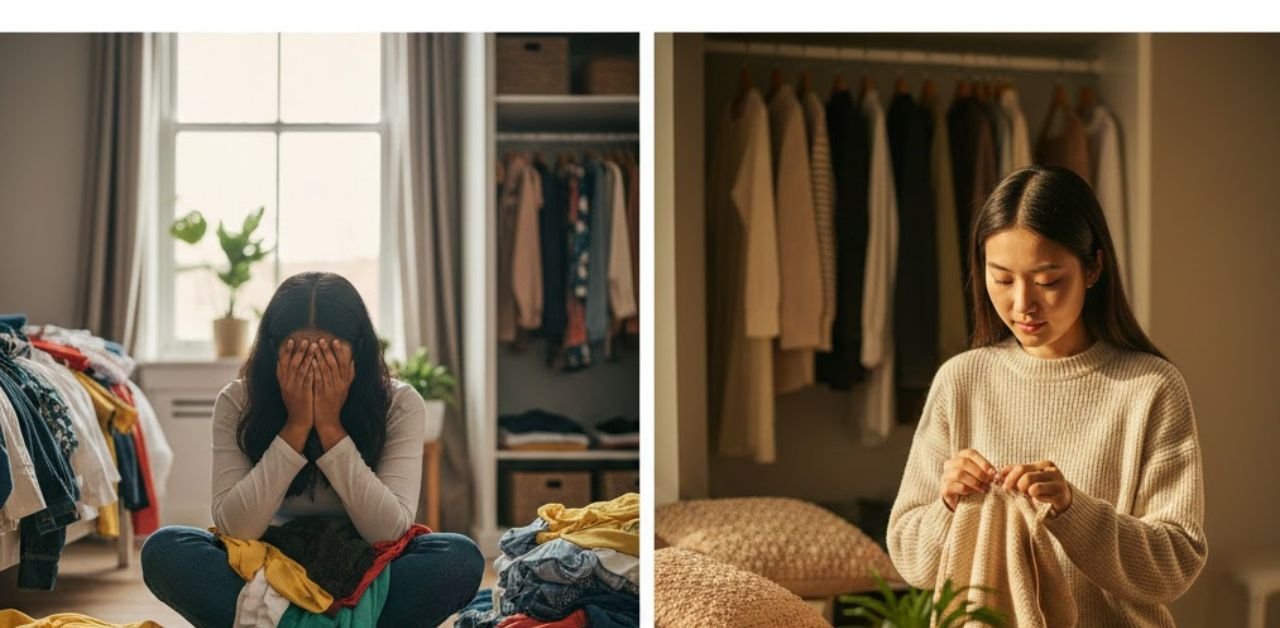
As fatigue grows, “Identity Fashion” begins to rise. This is the complete opposite of following a computer algorithm. It is about wearing what makes you feel powerful, comfortable, and unique. In 2026, truly stylish people do not wear the latest viral look. Instead, they wear clothes that tell a personal, human story. This shift is a direct result of fast fashion trend fatigue among consumers. People realize that fitting into a new “core” every month erases their true personality. Identity fashion focuses on longevity. You find a silhouette that works for your body. Then, you wear it for years. You learn to ignore what is currently trending on the “For You” page.
Building a Trend-Proof Wardrobe to Solve Consumer Fatigue
The final solution to fast fashion trend fatigue among consumers is a “Trend-Proof Wardrobe.” This is not just about owning basic or boring clothes. It is about owning “Hero Pieces.” These are high-quality and highly versatile items. For instance, you might invest in a real wool coat or organic cotton shirts. These items actually get softer and better over time. When your wardrobe has a foundation of quality, the pressure to buy disappears. You feel “finished” rather than “lacking” something. This sense of completion is the ultimate cure. It stops the exhaustion that fast fashion once created in our lives.
Conclusion: Why Less Is Finally More
As we have seen, fast fashion trend fatigue among consumers is a fundamental cultural shift. It moves us toward a more intentional way of living. By choosing quality over quantity, we finally end the cycle of burnout. We prioritize personal comfort over viral aesthetics. The future of fashion is not about what is “new” today. Rather, it is about what is authentic and lasting. In 2026, the most stylish statement is to stop the race. Start enjoying the clothes you already have in your closet. This is the only path to true fashion freedom.
Frequently Asked Questions
- What causes fast fashion trend fatigue among consumers?
It stems from the high speed of social media trends and overproduction. This leads to mental exhaustion, decision fatigue, and financial regret for many modern shoppers.
- How can I fix my own fashion decision fatigue?
Start a digital detox immediately. Unfollow brands that push constant sales and focus on a capsule wardrobe that reflects your real life, not a TikTok trend.
- Is slow fashion actually more expensive?
While the initial price is higher, the “cost per wear” is much lower. Quality items last for many years, while fast fashion items often fail after just a few washes.
- Why is de-influencing popular in 2026?
Consumers are tired of being told to buy things they do not actually need. De-influencing builds trust by promoting mindful consumption and garment repair.
- Does trend fatigue help the environment?
Yes, it does. When consumers experience fast fashion trend fatigue among consumers, they naturally buy fewer items. This reduces textile waste and the industry’s carbon footprint.