Introduction
Wardrobe longevity vs fast fashion is a highly relevant topic in today’s fashion world. Social media and digital platforms have made fashion cycles extremely fast, turning clothing into short-term products. Many consumers notice that new clothes lose their shape, color, or quality within just a few months. This is not only a personal issue but also a global fashion problem. In this article, we explore how fast fashion damages wardrobe longevity and what long-term solutions consumers can adopt.
What Is Wardrobe Longevity?
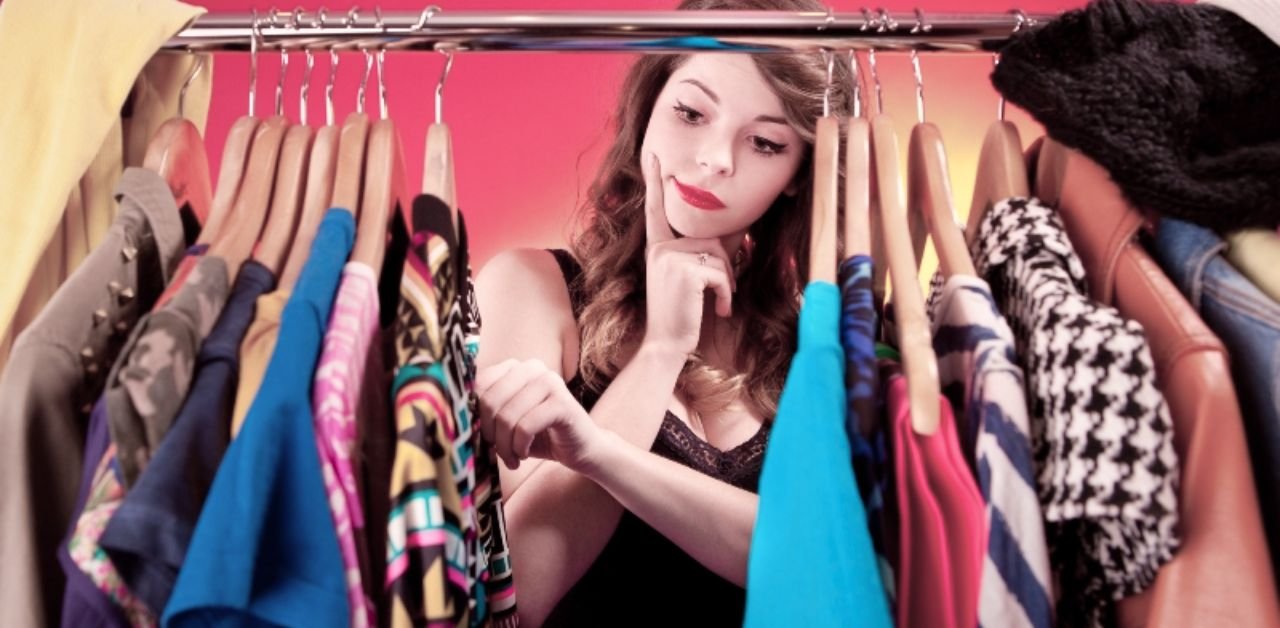
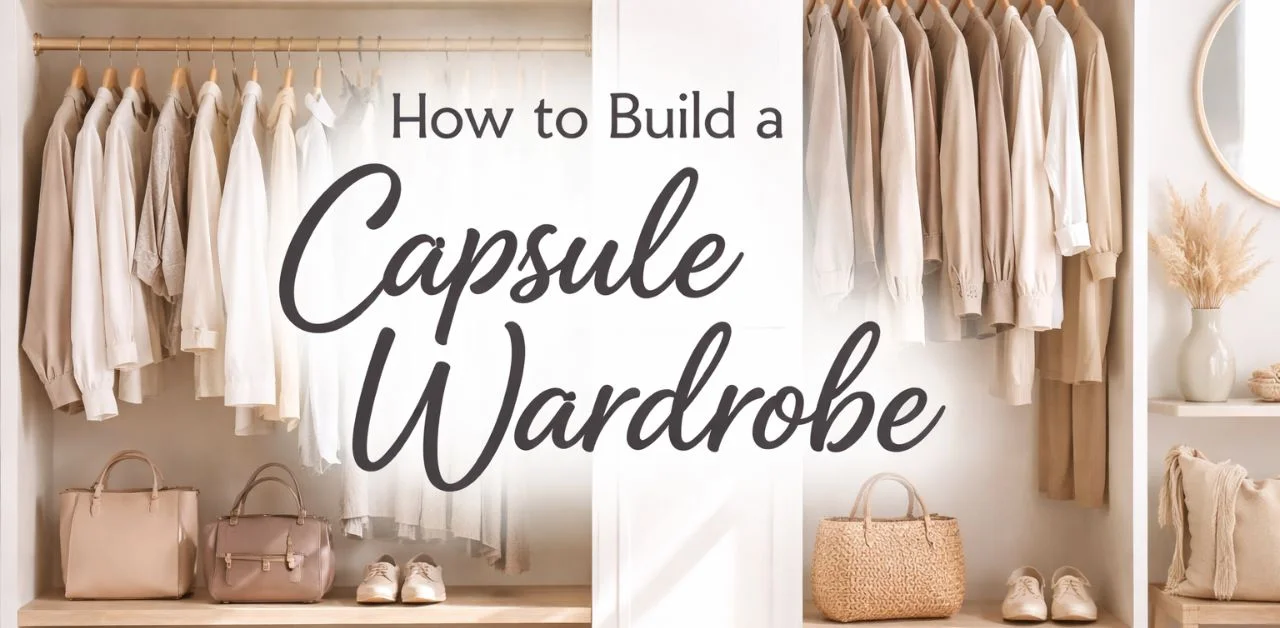
Wardrobe longevity means owning clothes that last for a long time while staying wearable, stylish, and functional. Instead of buying clothes only to follow trends, this approach focuses on daily wear and long-term use. A long-lasting wardrobe includes quality fabrics, strong stitching, and classic designs. The main idea is simple: buy less, but buy better. This mindset not only saves money but also reduces fashion waste and supports sustainable living.
Understanding Fast Fashion
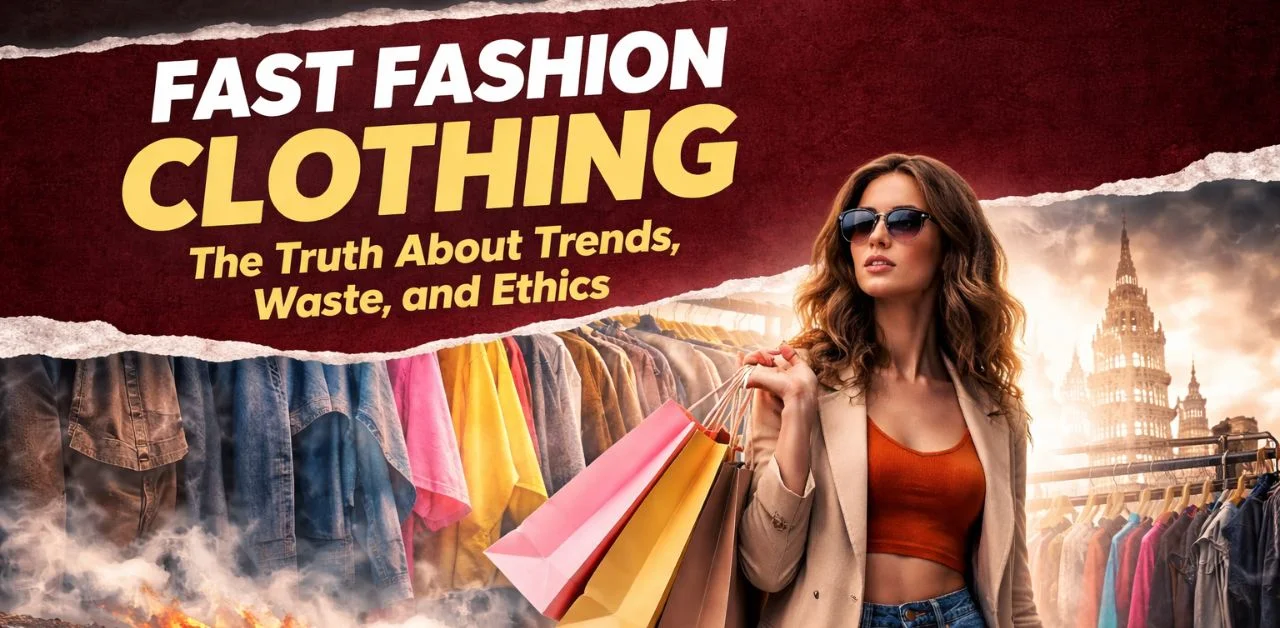
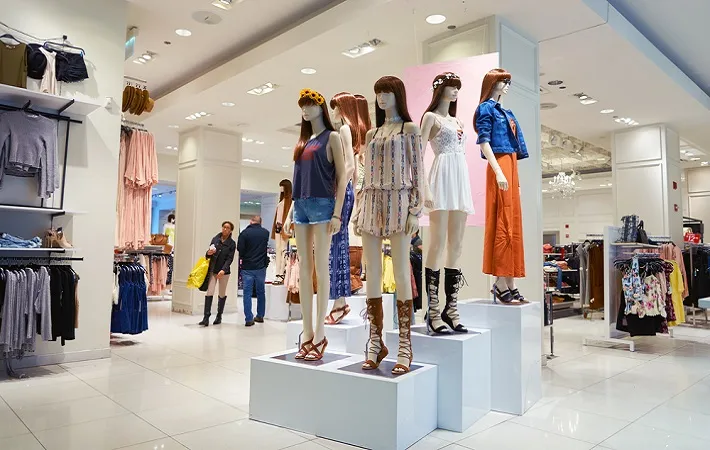
Fast fashion is a production system where brands release new designs at a very high speed. New styles appear weekly, often inspired by social media trends. To keep prices low and production fast, quality is often compromised. Cheap fabrics and low-cost labor are common in fast fashion manufacturing. As a result, clothes are made for short-term use rather than long-term durability, which directly affects wardrobe longevity.
Wardrobe Longevity vs Fast Fashion: Core Differences
Quality vs Quantity
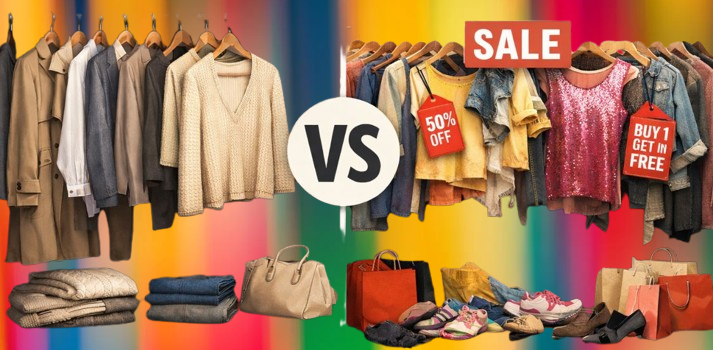
Fast fashion focuses on quantity by offering many low-priced items. Consumers are encouraged to shop frequently. In contrast, wardrobe longevity prioritizes quality over quantity. Fewer clothes are purchased, but they are more durable and versatile. This approach creates a functional and clutter-free wardrobe.
Timeless Style vs Trend Dependency
Wardrobe longevity supports timeless and classic styles that remain wearable across seasons. Fast fashion depends heavily on micro-trends that fade quickly. Trend dependency pushes consumers to buy new clothes even when their existing ones are still usable.
Long-Term Cost
Fast fashion may seem affordable at first, but frequent replacements increase long-term expenses. Wardrobe longevity may require a slightly higher initial investment, but it reduces overall costs over time. Consumers benefit financially and practically in the long run.
Why Fast Fashion Reduces Wardrobe Longevity
Fast fashion reduces wardrobe longevity for several reasons. Low-quality raw materials wear out quickly. Mass production puts pressure on stitching and finishing, leading to poor construction. Clothes are rarely tested for durability. In addition, many designs are intentionally made to go out of style fast. All these factors significantly shorten the lifespan of fast fashion clothing.
Trend Fatigue and Its Effect on Wardrobe Longevity vs Fast Fashion
Trend fatigue has become common among modern consumers. Constant exposure to new trends causes mental exhaustion. As a result, clothes lose emotional value and are treated as disposable items. People stop feeling attached to what they own and replace clothes quickly. This behavior weakens wardrobe longevity and strengthens the fast fashion cycle.
Environmental Impact of Wardrobe Longevity vs Fast Fashion
Fast fashion places heavy pressure on the environment. Textile waste, water pollution, and carbon emissions are major concerns. Every year, millions of tons of clothing end up in landfills. Wardrobe longevity offers a practical solution by encouraging longer use of clothing. When clothes last longer, waste decreases and natural resources are conserved. This is why sustainability experts view wardrobe longevity as a future-focused approach.
How Fast Fashion Affects Wardrobe Longevity and Consumer Behavior
Fast fashion has turned shopping into a habit driven by urgency. Discounts and limited-time offers push consumers toward impulse buying. Checking quality or thinking about long-term use becomes less important. This behavior results in wardrobe clutter and financial stress. Wardrobe longevity helps break this pattern by promoting mindful and intentional shopping.
How to Improve Wardrobe Longevity (Practical Tips)
Buy Less, Choose Better
Instead of following every trend, choose clothes that can be worn on multiple occasions. Quality pieces stay useful for years.
Check Fabric Quality
Natural fabrics like cotton, wool, and linen are more durable. They hold their shape better after washing.
Focus on Proper Fit
Well-fitted clothes are more comfortable and worn more often. Poorly fitted items usually remain unused.
Take Care of Your Clothes
Proper washing, air drying, and correct storage can double the life of clothing. Clothing care is essential for wardrobe longevity.
Avoid Trend-Driven Purchases
If you like something only because it is trending, pause before buying. Timeless choices always last longer.
Wardrobe Longevity and the Slow Fashion Movement
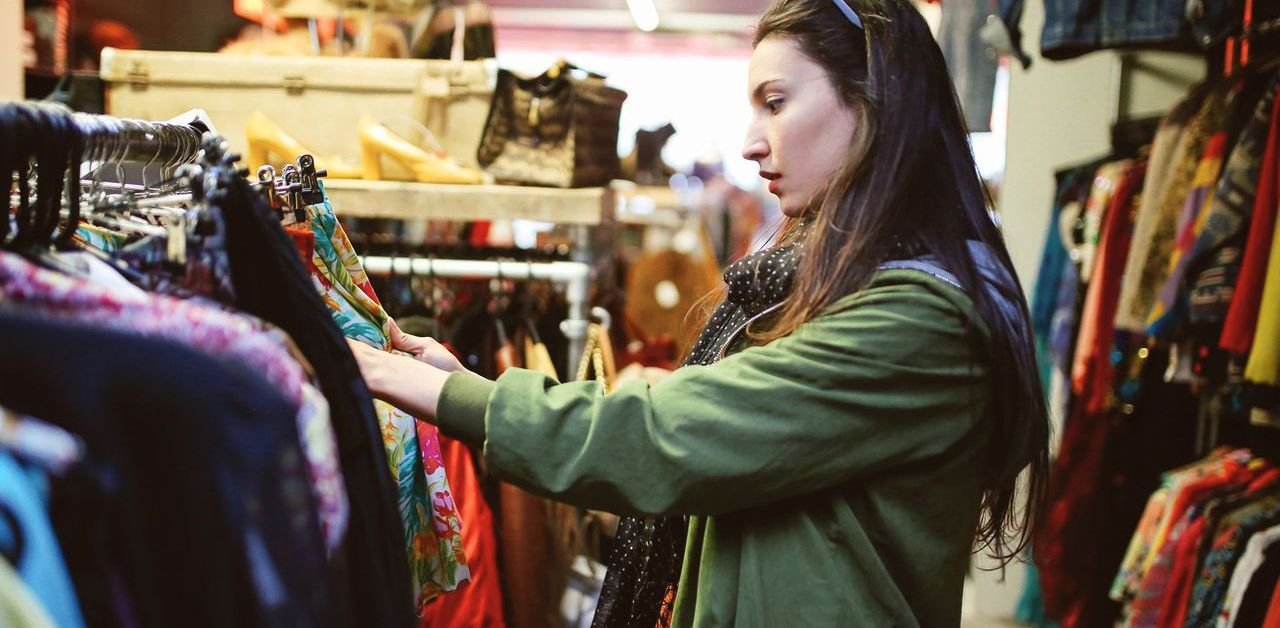
The slow fashion movement is a natural extension of wardrobe longevity. It encourages consumers to slow down fashion consumption and value their clothes. Responsible buying and avoiding overconsumption are key principles. Together, slow fashion and wardrobe longevity challenge the harmful effects of fast fashion.
Is Wardrobe Longevity vs Fast Fashion the Future of Fashion?
Growing awareness shows that wardrobe longevity represents the future of fashion. Climate concerns and trend fatigue are pushing consumers to rethink their habits. Many brands are also shifting toward ethical production and durable designs. Long-lasting fashion is no longer just a trend, it has become a necessity. This approach offers a sustainable solution for both consumers and the fashion industry.
Conclusion
The comparison of wardrobe longevity vs fast fashion clearly shows that while fast fashion may offer short-term convenience and trendy options, it often leads to long-term loss in terms of money, quality, and sustainability. Clothes bought cheaply tend to wear out quickly, require frequent replacement, and contribute to wardrobe clutter and environmental waste. On the other hand, wardrobe longevity promotes a responsible, economical, and sustainable approach to fashion. By choosing durable fabrics, timeless designs, and caring properly for their clothes, consumers can create meaningful wardrobes that last for years. This approach not only saves money but also reduces fashion waste and supports a healthier environment. The future of fashion lies not in buying more, but in investing in quality, durability, and mindful shopping habits, ensuring that our clothes and our planet benefit in the long run.
(FAQs)
What does wardrobe longevity mean in fashion?
Wardrobe longevity means owning clothes that remain durable and wearable for a long time. It focuses on quality, comfort, and timeless design, making it a sustainable alternative to fast fashion.
How does fast fashion affect wardrobe longevity?
Fast fashion uses cheap fabrics and weak stitching, which shortens clothing lifespan. Rapid trend changes also cause clothes to be discarded quickly.
Is fast fashion really cheaper than wardrobe longevity?
Fast fashion may seem cheaper initially, but frequent replacements increase long-term costs. Wardrobe longevity reduces overall spending.
How can consumers increase wardrobe longevity?
Consumers can improve wardrobe longevity by buying quality clothing, caring for garments properly, and avoiding impulse purchases.
Is wardrobe longevity part of sustainable fashion?
Yes, wardrobe longevity is a core pillar of sustainable fashion. Longer clothing use reduces waste and pollution.