Introduction
Winter is a beautiful season, but it also brings chilly weather that can make choosing outfits tricky. Season Specific Fashion (Winter) is all about balancing warmth, comfort, and style. This season allows you to layer clothing creatively, experiment with textures, and play with seasonal colors. By selecting the right fabrics, accessories, and layering techniques, you can stay cozy without compromising your fashion sense. Winter fashion is not just about looking good—it’s also about staying healthy and comfortable in cold temperatures.
Quick Style Hack: Layer a thin thermal base, a cozy sweater, and a statement coat for effortless warmth and style.
Why Winter Fashion is Important
Winter fashion is crucial not only for style but also for health. Wearing the wrong clothing or lightweight fabrics can make you susceptible to colds, flu, or discomfort. At the same time, winter offers the opportunity to explore cozy textures like wool, cashmere, and fleece, as well as bold colors and patterns unique to the season. Dressing appropriately allows you to enjoy winter activities while maintaining confidence and elegance in your outfits. Fashion and function can go hand in hand with smart choices.
Fashion Pointers:
- Check the weather before stepping out to choose suitable clothing.
- Layer your outfits to adjust easily between indoor and outdoor environments.
- Prioritize both comfort and style for all-day warmth.
Top Fabrics for Winter Clothing

Choosing the right fabrics is essential in winter. Proper materials keep you warm, comfortable, and stylish without unnecessary bulk. Each fabric offers unique benefits and contributes differently to your wardrobe. Mixing fabrics intelligently can help you create outfits that are functional, stylish, and suitable for a variety of winter activities.
Wool Season Specific Fashion (Winter)
Wool is a classic winter fabric that naturally retains heat while remaining breathable. Perfect for coats, sweaters, and scarves, wool is durable, elegant, and timeless. It regulates body temperature, keeping you warm in cold weather while preventing overheating indoors.
Pro Style Tips :winter fashion
- Choose wool coats and sweaters as your main outerwear for a chic look.
- Wool scarves protect your neck and add a stylish touch.
- Layer wool over lighter fabrics for added warmth without bulk.
Cashmere
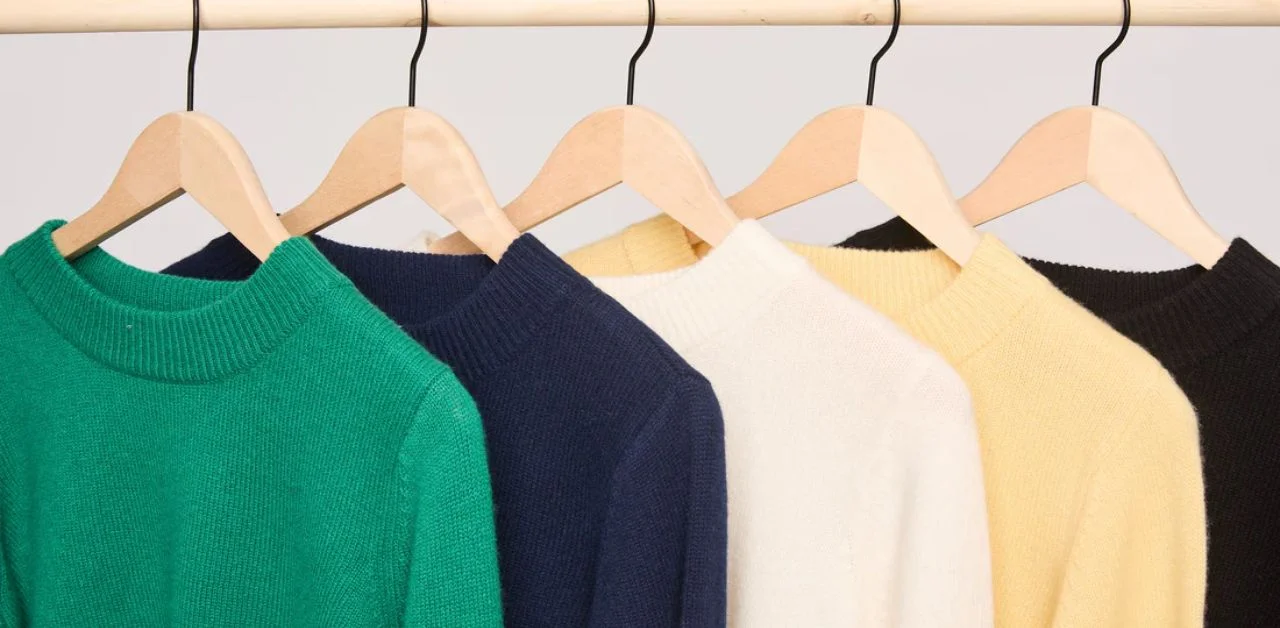
Cashmere is soft, lightweight, and luxurious. Ideal for sweaters and shawls, it keeps you warm while feeling gentle on the skin. Cashmere adds elegance to any winter outfit, giving a polished look even in casual settings. It is versatile and can be layered with other fabrics for a chic, stylish winter appearance.
Quick Style Hack:
- Pair cashmere sweaters with wool coats for a sophisticated layered look.
- Use cashmere shawls indoors for warmth without bulk.
- Avoid rough fabrics underneath to maintain softness.
Fleece and Synthetic Blends
Fleece and synthetic blends are affordable, lightweight, and easy to maintain. They trap heat effectively, making them perfect for casual, everyday winter wear. Flexible and comfortable, these fabrics are ideal for layering under heavier coats. Fleece and synthetics are also great for outdoor activities as they dry quickly and provide insulation without restricting movement.
Expert Tricks:
- Wear fleece jackets for casual outdoor winter looks.
- Combine synthetic blends with natural fabrics like wool for durability.
- Use them as mid-layers under coats for extra warmth.
Avoid Cotton as a Base Layer
Cotton is not ideal for winter because it absorbs moisture and makes you feel cold. Base layers should be thermal, wool, or synthetic fabrics that retain heat and wick away moisture. Choosing the right base layer prevents discomfort and keeps your body temperature stable throughout the day.
Seasonal Style Advice:
- Avoid cotton shirts or leggings as your first layer.
- Use thermal innerwear to trap heat effectively.
- Layer fabrics smartly, like a wool coat over a cashmere sweater, for both style and warmth.
Essential Winter Wardrobe Pieces
A functional winter wardrobe is key to staying warm and stylish. Must-have pieces include coats, sweaters, cardigans, trousers, accessories, and proper footwear. These items form the foundation of winter outfits and can be mixed and matched for various occasions. Proper wardrobe planning ensures you are prepared for casual, professional, or festive winter events.
Pro Style Tips:
- Keep at least one statement coat for formal or festive occasions.
- Layer sweaters and cardigans to stay warm without bulk.
- Accessories like scarves, gloves, and hats provide both protection and style.
Layering: The Key to Winter Fashion

Layering is not just practical. an art. Proper layering keeps you warm while allowing flexibility and style. Multiple layers help you adapt to changing indoor and outdoor temperatures without sacrificing fashion sense. It also provides an opportunity to mix textures and fabrics for a stylish winter look.
Quick Style Hack:
- Base layer: Thermal or light innerwear.
- Middle layer: Sweaters, cardigans, or hoodies.
- Outer layer: Coat or jacket to block wind and retain warmth.
- Mix textures, like a soft sweater with a structured coat, for a polished look
Winter Colors and Patterns
Winter fashion offers the chance to experiment with colors and patterns. Neutral shades like black, grey, and beige are versatile. Bold colors like burgundy, navy, and emerald bring vibrancy to winter outfits. Patterns such as plaid, houndstooth, and checks are timeless, adding visual interest to layers and accessories. Choosing the right colors and patterns enhances both casual and formal looks.
Fashion Pointers:
- Use neutral tones for versatile everyday outfits.
- Add bold colors through scarves, hats, or coats.
- Mix patterns carefully to maintain balance and elegance
Season Specific Fashion (Winter): Practical Tips to Stay Warm
Staying warm is just as important as looking stylish. Proper clothing, accessories, and layering techniques are essential to avoid discomfort or illness. Insulated footwear, thermal wear, and protective accessories are key elements in winter fashion. Small touches like hand warmers or thermal socks make a huge difference in extremely cold weather.
Pro Style Tips:
- Layer multiple thin pieces instead of one thick layer for better heat retention.
- Keep extremities cozy with gloves, hats, and warm socks.
- Use insulated footwear to keep feet dry and warm.
- Moisturize skin to prevent dryness caused by winter.
- Carry hand warmers for extra comfort during outdoor activities
Winter Outfits for Different Occasions
Winter outfits vary depending on casual, professional, or festive occasions. Choosing the right ensemble ensures warmth, comfort, and style. Casual outfits may include sweaters, jeans, and scarves, while office attire often requires blazers, turtlenecks, and tailored pants. Festive or party outfits allow luxurious fabrics like velvet or sequins, paired with statement coats and boots.
Quick Style Hack:
- Casual: Cozy sweater, jeans, ankle boots, wool scarf.
- Office: Wool blazer, turtleneck, tailored trousers, leather shoes.
- Party/Festive: Velvet dress, sequined sweater, statement coat, stylish boots.
- Outdoor: Puffer jacket, thermal layers, waterproof boots, gloves.
Winter Accessories to Elevate Your Look
Accessories complete a winter outfit while providing warmth. Scarves, hats, gloves, socks, bags, and jewelry enhance style and add practicality. Choosing the right accessories can make even simple outfits look fashionable. Bold or contrasting colors in accessories can energize a neutral winter wardrobe.
Fashion Pointers:
- Scarves and shawls: Keep neck warm and stylish.
- Hats and beanies: Protect the head and complete your outfit.
- Gloves and socks: Essential for hands and feet.
- Bags and jewelry: Add elegance and flair.
- Use bold colors or patterns in accessories to stand out.
Sustainable Winter Fashion
Sustainable winter fashion is eco-friendly and long-lasting. Fabrics like organic wool and recycled polyester are ideal for ethical fashion choices. Investing in high-quality staples rather than fast fashion ensures durability and reduces waste. Proper care of your wardrobe also extends the life of your clothes.
Expert Tricks:
- Choose eco-friendly fabrics for coats, sweaters, and accessories.
- Invest in high-quality winter staples to minimize frequent shopping.
- Mix and match wardrobe pieces to create multiple outfits.
- Wash and store clothes properly to prolong garment lifespan.
Conclusion: Master Season Specific Fashion (Winter)
Winter is the perfect season to stay stylish, cozy, and creative. Selecting the right fabrics, layering techniques, accessories, and practical tips ensures warmth and comfort. Fashion and function can coexist with careful planning. Experimenting with textures, colors, and patterns helps create visually appealing and cozy winter outfits.
Pro Style Tips:
- Keep experimenting with layers, fabrics, and textures.
- Prioritize comfort without compromising style.
- Combine fabrics smartly for maximum warmth and elegance.
FAQs: Season Specific Fashion (Winter)
Q1: What is the best fabric for winter clothing?
A: Wool, cashmere, fleece, and synthetic blends are ideal. Wool and cashmere are warm and elegant; fleece is lightweight and practical. Avoid cotton as a base layer.
Q2: How should I layer clothes in winter?
A: Start with a thermal base, add a sweater or cardigan, and finish with a coat or jacket. Layering keeps you warm without bulkiness.
Q3: Can I wear cotton in winter?
A: Avoid cotton as a base layer. It absorbs moisture and makes you cold. Use thermal or synthetic fabrics instead.
Q4: What colors and patterns work best for winter?
A: Neutrals: black, grey, beige. Bold shades: burgundy, navy, emerald. Patterns: plaid, houndstooth, checks. Use accessories for pops of color.
Q5: How can I stay warm while looking stylish?
A: Combine warm fabrics, layer smartly, and use accessories like scarves, gloves, hats, and insulated footwear.
Q6: Are there sustainable options for winter fashion?
A: Yes! Use organic wool, recycled fabrics, and invest in high-quality, long-lasting pieces. Mix and match to reduce waste.