Editor’s Note
Fashion trends are moving faster than ever. Understanding how clothes are made is important for every shopper. This guide explains the cycle of fast fashion clothing, from factories to your wardrobe, so you can make smart and responsible choices. Whether you are a trend-lover or a conscious shopper, this guide will give you all the information you need to make better decisions in 2026
Introduction
Fast fashion clothing is a system where trendy clothes are designed, produced, and sold very quickly at low prices. It allows people to follow the latest styles easily and without spending much money. However, fast fashion clothing also brings serious challenges for the environment and factory workers. Understanding how this industry works helps shoppers make responsible choices while still enjoying fashion in 2026. This introduction will give you a clear overview of what fast fashion clothing is, why it is popular, and why it matters.
The Rise of Instant Fast Fashion Clothing
Fast fashion has dramatically changed shopping habits worldwide. In the past, consumers had to wait months for new designs to appear in stores. Today, social media and online platforms allow brands to design, produce, and sell clothing in just a few days. This speed is often called “instant fashion.”
The benefits of instant fashion are obvious: everyone can afford the latest trends without spending a fortune. Viral outfits worn by celebrities or seen on TikTok can be purchased almost immediately. However, this convenience hides serious drawbacks. Clothes are often treated as disposable, with people wearing them only a few times before discarding them. This cycle fuels massive waste and contributes to environmental problems.
How the Fast Fashion System Works
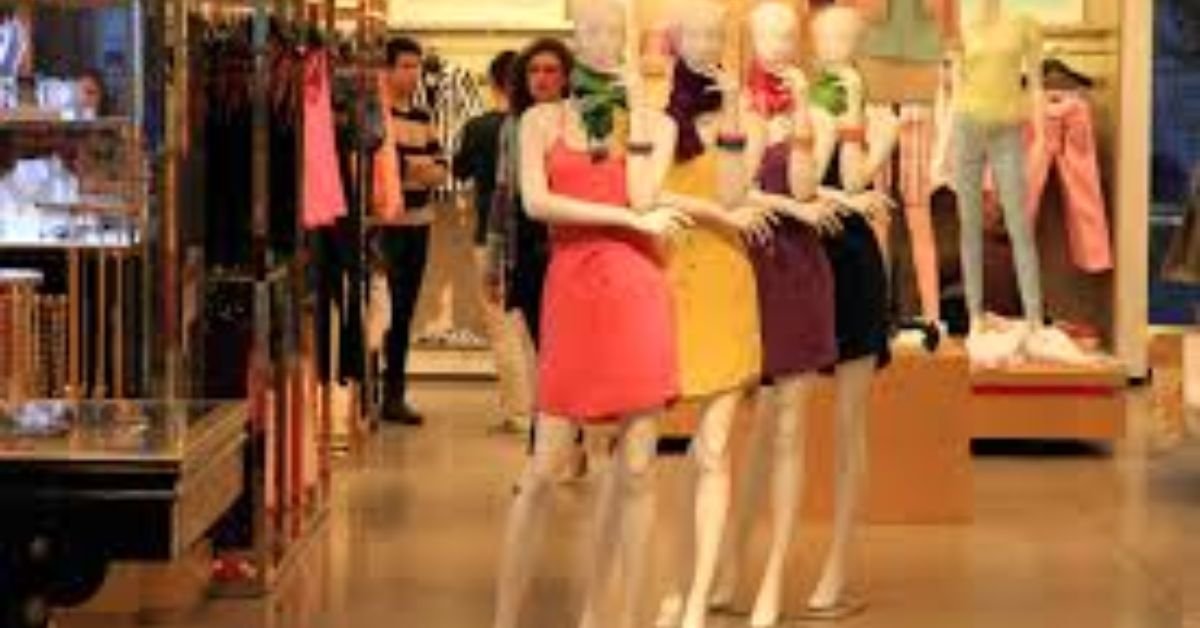
Fast fashion clothing relies on a highly efficient global system. Brands watch trends closely, especially on social media, to identify styles that will be popular for a short time. They then copy these designs and produce them in large quantities using low-cost labor and synthetic fabrics.
Key characteristics of the fast fashion system:
Speed: From design to store in a matter of days
Low production costs: Using cheap materials and labor
Trend replication: Copying luxury runway looks or viral styles
Micro-seasons: Releasing dozens of collections each year to encourage repeat purchases
The goal is to keep consumers constantly engaged, buying new items almost every week. While this strategy works for brands and customers looking for cheap, trendy clothes, it also leads to significant environmental and ethical issues.
Tips to Identify Trendy and Affordable Clothing
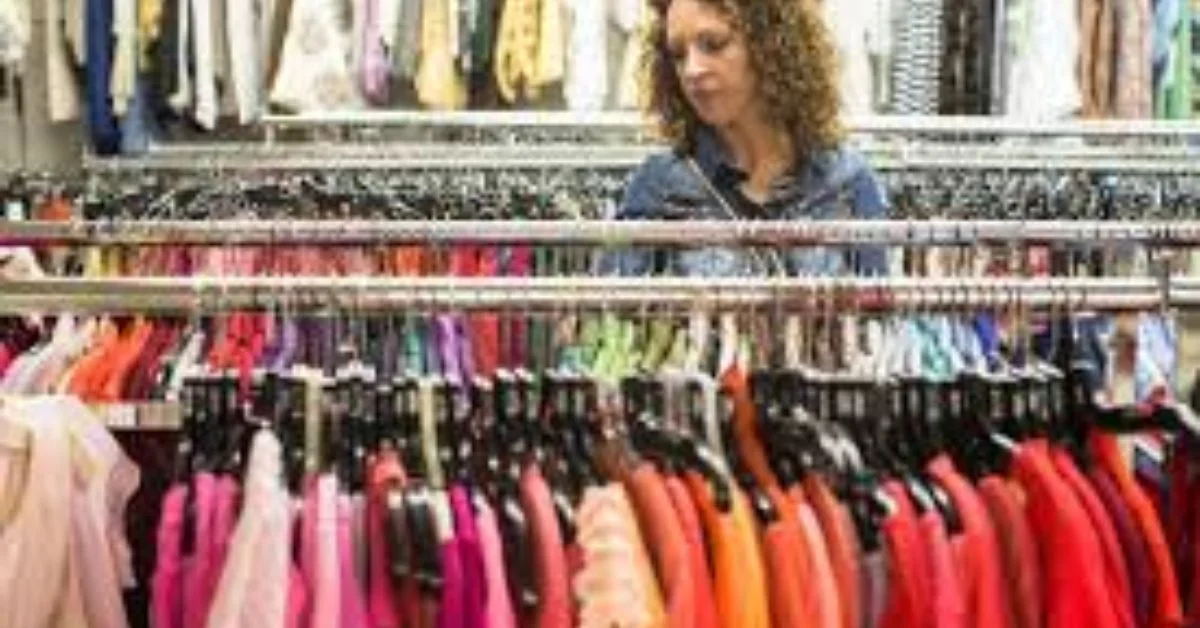
Not all inexpensive clothing is fast fashion. You can spot fast fashion items by looking for certain signs:
Fabric quality: Often very thin, made of polyester or acrylic, with loose threads
Price: Items that look complicated but cost very little
Trend-focused designs: Patterns and cuts that go out of style within weeks
Durability issues: Clothes that shrink, tear, or lose shape after a few washes
By knowing these signs, you can make smarter choices and avoid purchasing items that will quickly end up in landfills.
Global Brands Leading Fast Fashion Clothing Trends
Several global brands have perfected the fast fashion model. Zara and H&M started the trend, while newer “ultra-fast” brands like Shein have taken it further by releasing thousands of new styles daily.
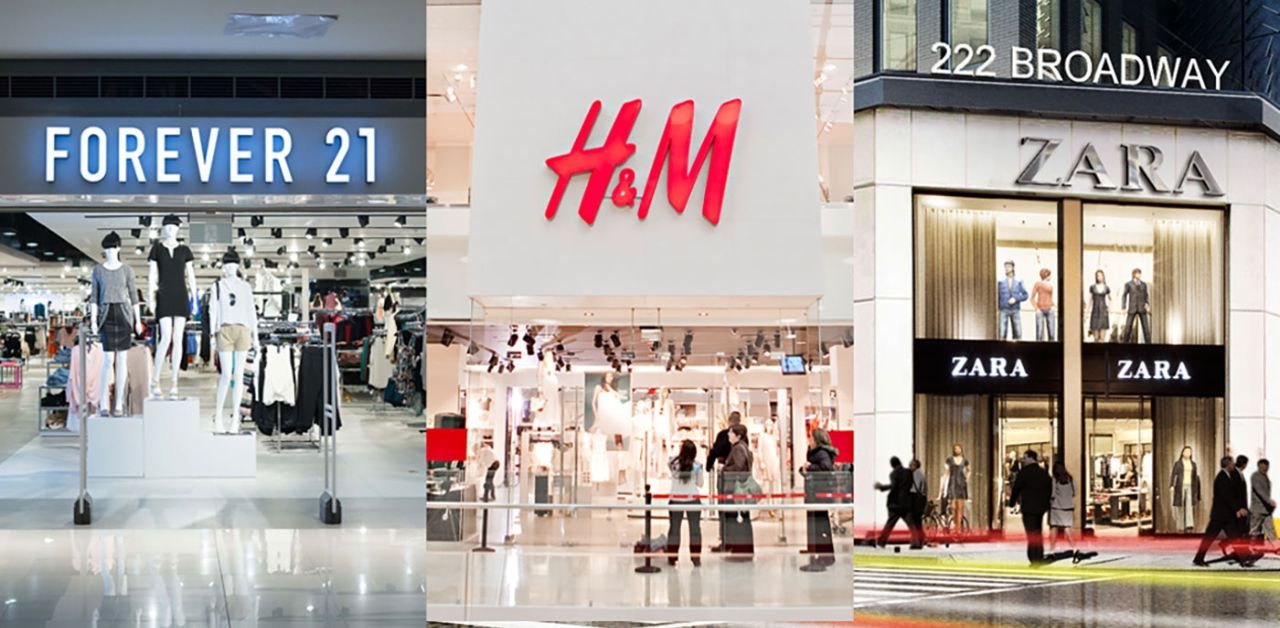
Zara is known for its “Just-In-Time” manufacturing system, which allows stores to change collections mid-month based on customer demand. H&M uses a similar approach, producing large quantities at low costs. Shein leverages online-only sales and digital marketing to push hundreds of new products weekly. These brands make style accessible to all, but their business models depend on rapid production, low wages, and mass consumption.
Gen Z and Fast Fashion Clothing Trends
Generation Z plays a major role in shaping fashion trends today. Young shoppers embrace maximalism, Y2K-inspired styles, and aesthetic-driven outfits. TikTok, Instagram, and other platforms dictate what is “cool” from one day to the next.
Many Gen Z consumers mix fast fashion clothing with thrifted or second-hand items, creating unique and slightly more sustainable looks. This approach shows that even trend-focused shoppers are aware of environmental impacts and want to balance style with responsibility.
The 7-Rule for Smart and Stylish Fast Fashion Clothing
The “7-Rule” is a helpful strategy for anyone building a wardrobe with fast fashion items while staying stylish and responsible. The rule suggests that each outfit should consist of seven essential elements:
Base Top: Classic shirt, blouse, or tee
Bottom: Jeans, trousers, or skirt
Footwear: Boots, heels, or sneakers
Outerwear: Jacket, blazer, or cardigan
Main Accessory: Handbag or belt
Jewelry: Watch, earrings, or necklace
Final Touch: Scarf, hat, or bold lip color
Benefits of the 7-Rule:
Encourages mindful consumption
Focuses on quality over quantity
Reduces the urge to follow every viral trend
Helps you style the same items in multiple ways
By following this rule, shoppers can enjoy fast fashion clothing responsibly and extend the life of their clothes.
The Environmental Impact of Fast Fashion Clothing

The fast fashion clothing industry is one of the largest contributors to pollution worldwide. Examples of its environmental impact include:
Water usage: Producing one cotton t-shirt can consume thousands of liters of water
Chemical pollution: Toxic dyes often contaminate rivers and harm ecosystems
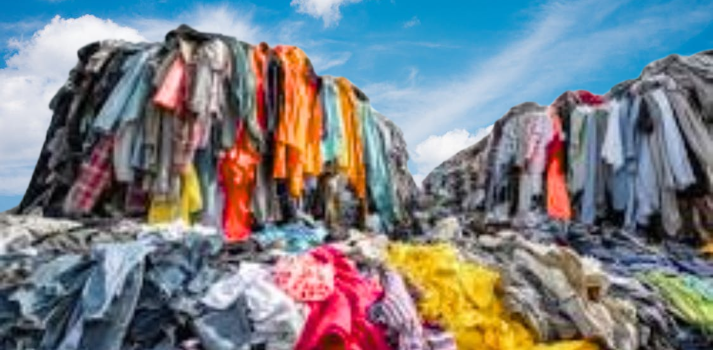
Waste: Millions of tons of cheap clothes end up in landfills each year
Synthetic fabrics: Polyester and other materials do not biodegrade, remaining in the environment for hundreds of years
Additionally, factories in developing countries often pay low wages and provide unsafe working conditions to reduce production costs. These environmental and social issues are a hidden cost behind the low prices of fast fashion clothing.
Fast Fashion and Responsible Choices
Fast fashion makes trendy clothing accessible to everyone, regardless of budget. It allows people to express creativity and follow celebrity or social media trends. However, it comes with significant environmental and ethical costs.
Shifting toward slow fashion doesn’t mean giving up style. Instead, it is about making conscious choices:
Buy versatile, durable, and timeless pieces
Mix fast fashion with thrifted or second-hand items
Focus on quality fabrics like cotton, silk, or wool
Avoid items designed to be disposable
By making these choices, fashion can remain fun and empowering without harming the planet.
Frequently Asked Questions (FAQs)
Q: What is fast fashion clothing?
A: Fast fashion clothing refers to trendy, inexpensive garments produced quickly to match current fashion trends.
Q: Why is Zara considered a fast fashion brand?
A: Zara delivers new collections in less than three weeks using rapid design-to-store cycles.
Q: What are common examples of fast fashion?
A: Trendy crop tops, viral social media outfits, and affordable denim from brands like Shein, H&M, and Fashion Nova.
Q: How does fast fashion affect the environment?
A: It uses massive amounts of water, releases toxic chemicals, and contributes millions of tons of landfill waste.
Q: Is Gen Z moving away from fast fashion?
A: Many are combining fast fashion with thrifted or second-hand items to create more sustainable looks.
Author’s Note
Hi, I’m Umaira, a fashion researcher and content creator. I study the clothing industry and its impact on people and the planet. In this guide, I combine research and style advice to help you make smart and responsible choices while enjoying fashion.