Introduction
The Environmental Impact of Fast Fashion is becoming one of the most serious problems for our planet today. Fast fashion brands produce clothing that is cheap, trendy, and available very quickly, which makes it easy for people to follow every new style. However, this convenience comes at a huge cost. The process of making these clothes uses enormous amounts of water, harmful chemicals, synthetic fabrics, and energy from fossil fuels. These practices are polluting our rivers, harming animals, destroying forests, and adding to climate change. In short, every cheap T-shirt or dress we buy has a hidden impact on the environment, and the Environmental Impact of Fast Fashion is becoming a major threat to the health of our planet.
The Massive Environmental Harm of Fast Fashion
Fast fashion is not just about following quick trends or buying cheap clothes frequently; it has a deep and lasting impact on our environment. The entire process of designing, manufacturing, transporting, and selling clothes contributes significantly to environmental damage. Among the many issues, climate change and air pollution stand out as two of the most serious problems caused by this industry.
1. Factory Emissions
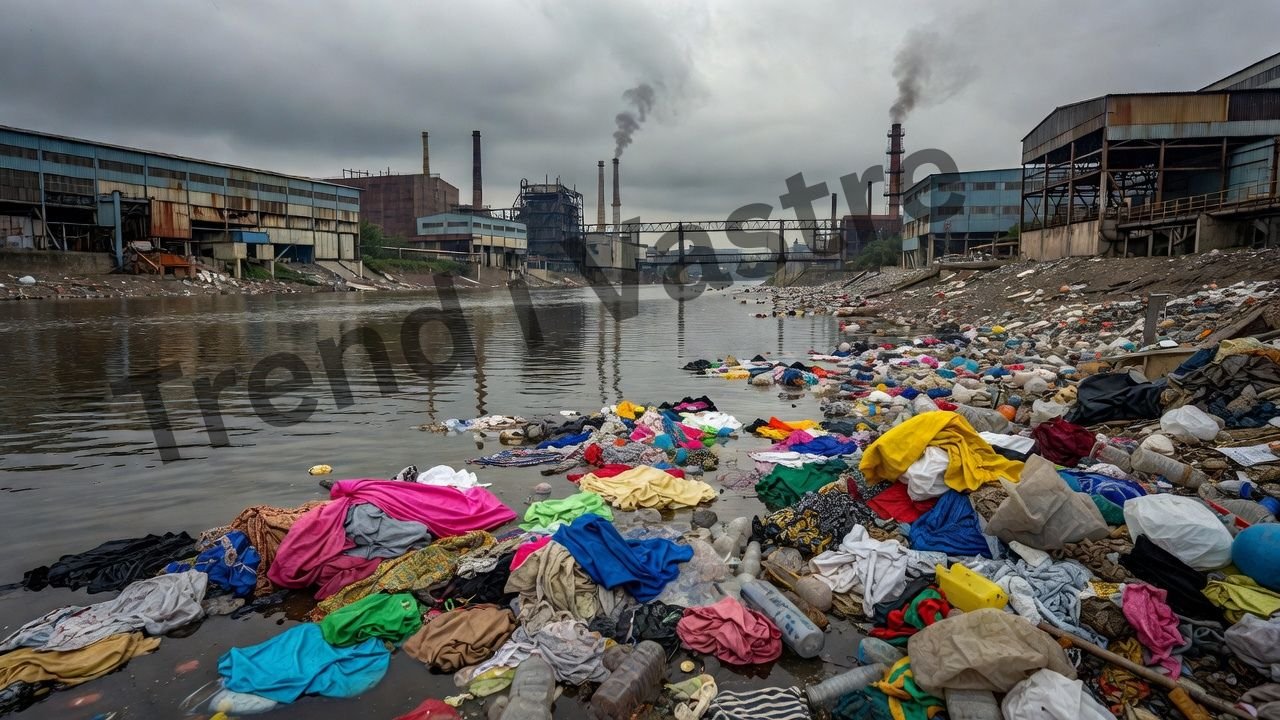
Clothing factories require an enormous amount of energy to operate, most of which comes from non-renewable sources like coal, oil, and natural gas. The machinery used in textile production, including spinning, weaving, dyeing, and finishing, releases large amounts of carbon dioxide (CO2) and other harmful gases into the atmosphere. These emissions trap heat and accelerate global warming, directly contributing to climate change. Besides greenhouse gases, factories also emit toxic smoke and particulate matter, which not only aaffectthe global climate but also cause air quality issues in nearby communities, leading to respiratory problems and other health risks. In short, every garment produced in a traditional fast fashion factory leaves a significant carbon footprint and pollutes the surrounding environment.
2. Transportation and Logistics Pollution
The environmental harm of fast fashion extends far beyond the factory walls. The industry depends on a complex global supply chain, where raw materials are grown or mined in one country, processed in another, manufactured in a third, and finally shipped to stores around the world. Every step wh, whether it’s transporting cotton bales, synthetic fibers, or finished garments r, requires fuel and produces emissions. Shipping clothes by trucks, cargo ships, and airplanes adds to the carbon footprint, releasing millions of tons of greenhouse gases annually. The more clothes are produced and moved around the world, the greater the environmental burden becomes.
2. Toxic Dye Pollution
Dyeing and finishing clothes involve thousands of chemicals. Many factories dump untreated wastewater directly into rivers and oceans, killing aquatic life and contaminating drinking water sources.
C. Textile Waste and the Throwaway Culture
Fast fashion encourages consumers to buy quickly and discard even faster.
1. Overflowing Landfills
Every year, 92 million tons of clothing end up in landfills. Most fast fashion items last only a few washes before they lose shape or tear.
2. Polyester Waste
Polyester, common in fast fashion, is made from petroleum and can take up to 200 years to break down, releasing harmful chemicals during decomposition
.D. Microplastic Pollution
The Environmental Impact of Fast Fashion continues even after clothing is purchased.
1. Microfiber Shedding During Washing
During each wash, synthetic clothes like polyester and acrylic release thousands of microplastics.
2. Marine Ecosystem Damage
These microplastics pass through filtration systems and enter rivers and oceans. Marine animals eat them, causing long-term environmental damage and contamination of the human food chain.
E. Harmful Agricultural Practices
Raw materials used in fast fashion also damage the environment.
- Pesticide-Heavy Cotton Farming
Traditional cotton farming uses large amounts of pesticides that destroy soil fertility and pollute groundwater.
- Soil Degradation and Monoculture
Growing the same crop repeatedly drains nutrients from the soil, leading to soil erosion and reduced crop quality
II. The Human Cost of Fast Fashion
A. Unsafe Working Conditions
Workers often work 12–14-hour shifts in overcrowded, poorly ventilated, and unsafe factories.
- Extremely Low Wages
To keep clothing prices low, workers are often paid extremely low wages f, far below a living wage.
C. Chemical Exposure
Dyeing and finishing workers handle toxic chemicals daily without proper protection, risking skin diseases, breathing problems, and long-term organ damage.
D. Child Labour
In some regions, children are illegally employed in cotton farms and manufacturing units due to cheap labour demand, violating basic human right
III. Slow Fashion: A Sustainable Alternative
A. Key Principles of Slow Fashion
1. Quality Over Quantity
Buy fewer, high-quality items that last longer and reduce waste.
2. Ethical Working Conditions
Support brands that prioritize safe workplaces and fair wages.
3. Eco-Friendly Materials
Choose organic cotton, linen, bamboo, hemp, Tencel, and recycled fabrics.
FAQs About the Environmental Impact of Fast Fashion
1. What is the Environmental Impact of Fast Fashion?
It includes water pollution, microplastics, textile waste, soil damage, and carbon emissions caused by producing cheap, high-speed clothing
.2. Why is fast fashion harmful to the planet?
Fast fashion uses toxic dyes, fossil fuels, synthetic fabrics, and huge amounts of water, all of which cause long-term environmental destruction.
How does fast fashion create microplastics?
Synthetic fabrics like polyester shed microfibers during washing, which flow into oceans and harm marine life.
4. How does fast fashion affect garment workers?
Workers face unsafe factories, long hours, chemical exposure, extremely low wages, and child labour in some areas.
- What is slow fashion?
Slow fashion promotes sustainable materials, ethical production, fair wages, and long-lasting clothing.
- How can I reduce my impact as a consumer?
Buy less, choose natural fabrics, repair clothes, wash wisely, and support ethical brands.
Final Thought
The Environmental Impact of Fast Fashion is not limited to cheap clothes; it affects our water, air, soil, and the lives of workers around the world. By making mindful choices, such as buying fewer clothes, choosing quality over quantity, repairing and recycling garments, and supporting sustainable brands, we can reduce this harmful impact. Every conscious decision slows down the negative cycle of fast fashion and contributes to a healthier planet. Fashion becomes truly meaningful when style, responsibility, and sustainability go hand in hand, creating a positive difference for both our wardrobes and the environment.