Fast Fashion vs Slow Fashion: Which Is Better for People and the Planet?
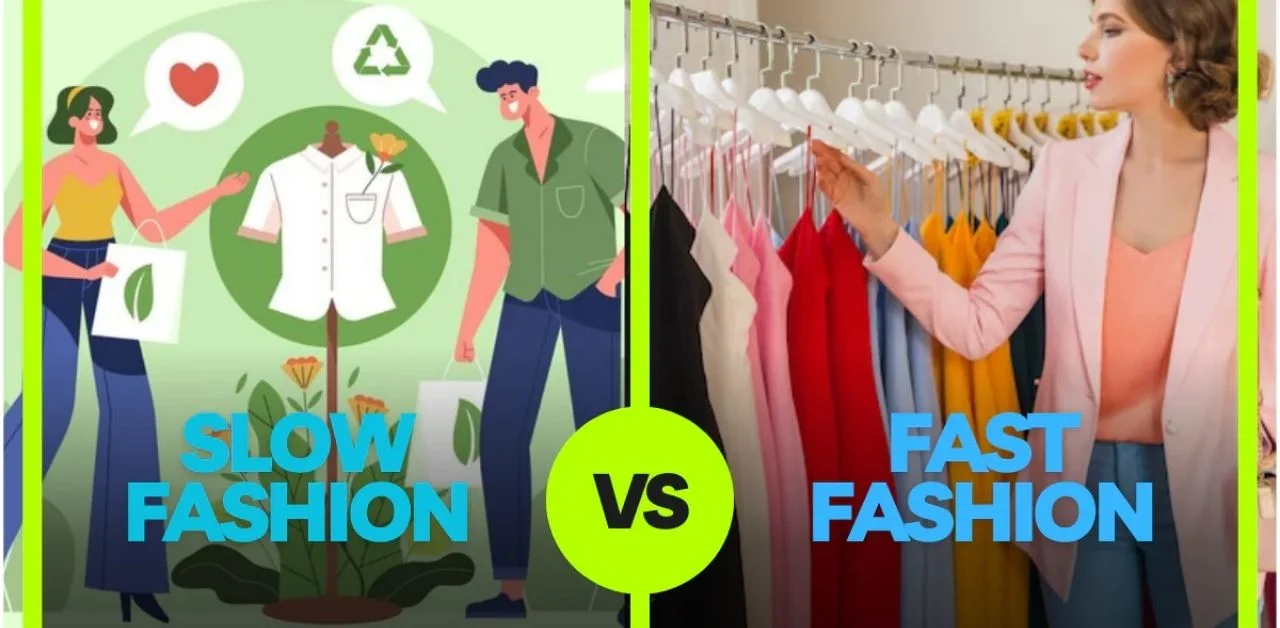
The discussion around fast fashion vs slow fashion has become more important than ever in today’s world. Fashion is no longer only about wearing stylish clothes or following trends seen on social media. It is also about understanding where our clothes come from, how they are made, and what impact they have on the planet and people.
Fast fashion allows consumers to buy trendy clothes at very low prices. New collections appear almost every week, making shopping feel exciting and addictive. On the other hand, slow fashion follows a completely different approach. It focuses on quality, sustainability, and ethical production rather than speed and mass production.
As consumers become more aware, many people want to know which option is better. Understanding the difference between fast fashion and slow fashion helps shoppers make informed and responsible choices. This article explains both systems in detail, their impact on the environment and workers, and which one makes more sense for long-term value.
What Is Fast Fashion?
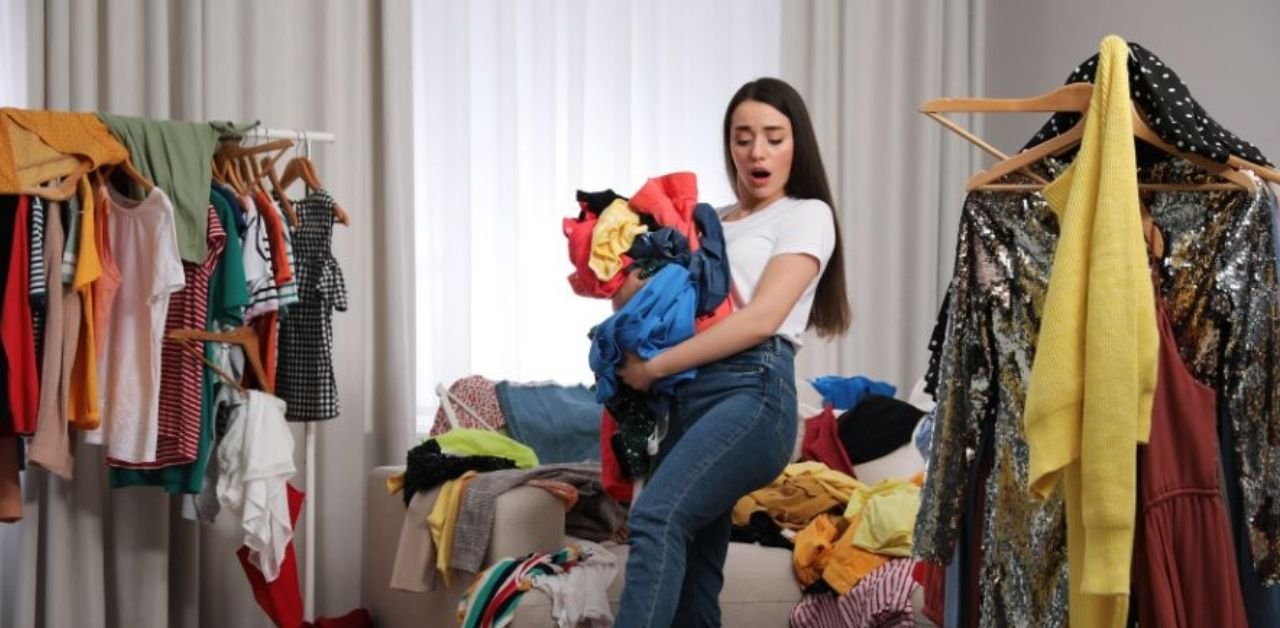
Fast fashion is a clothing production system designed to deliver new styles very quickly and in large quantities. Brands closely watch fashion shows, celebrities, influencers, and social media trends. Once a trend becomes popular, similar designs are produced and sent to stores within weeks.
To keep prices low, fast fashion brands often use cheap fabrics and cost-cutting production methods. The main goal is to sell as many clothes as possible in a short time. Because of this, quality is usually not a priority.
Fast fashion is popular because:
Clothes are affordable for most people
Trends change quickly, so shopping feels exciting
Consumers can refresh their wardrobe often
However, fast fashion also creates serious problems. Clothes are often worn only a few times before losing shape or quality. Many items are thrown away very quickly, leading to huge amounts of textile waste. In addition, fast fashion factories often operate under poor working conditions with low wages.
What Is Slow Fashion?
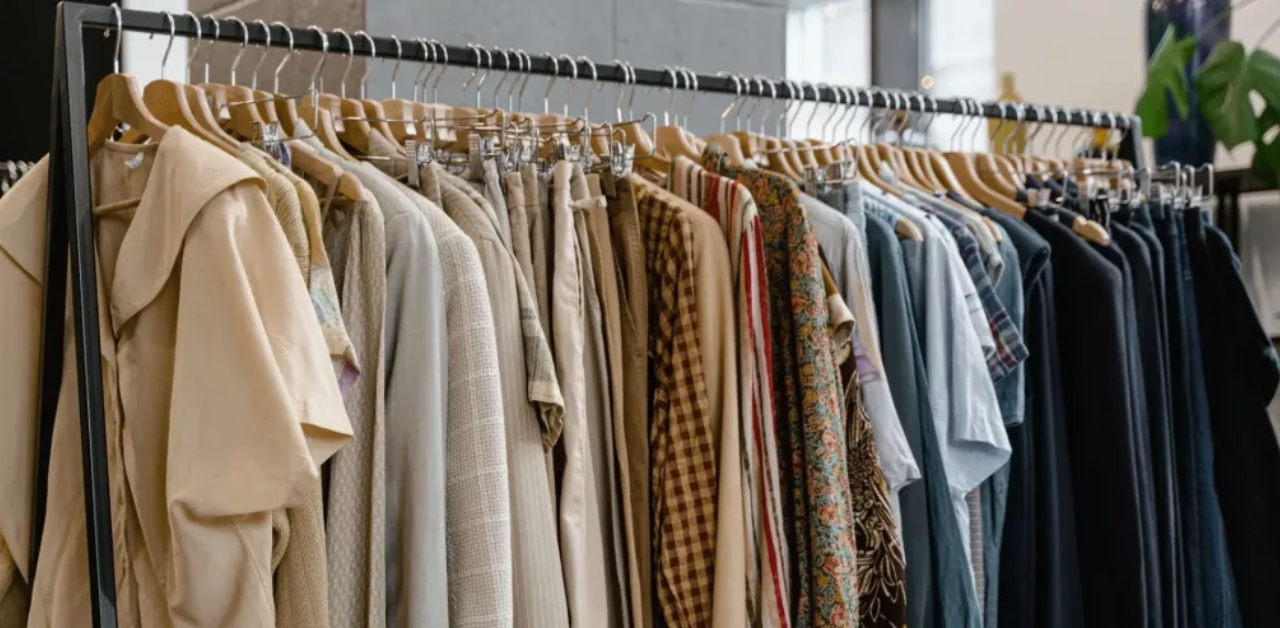
Slow fashion is a more responsible and thoughtful approach to clothing. Instead of focusing on speed and trends, it focuses on making fewer clothes that last longer. Designs are usually simple, timeless, and easy to wear for many years.
Slow fashion brands care deeply about how clothes are made. They choose high-quality fabrics and aim to reduce harm to the environment. Production is slower, but the results are better for both people and the planet.
Slow fashion brands focus on:
Quality fabrics that last longer
Ethical labor practices
Reducing environmental damage
Many slow fashion companies use organic cotton, recycled materials, or natural dyes. Clothes may cost more at first, but they feel better, last longer, and age well. Slow fashion encourages people to buy less but choose wisely.
Fast Fashion vs Slow Fashion: Key Differences
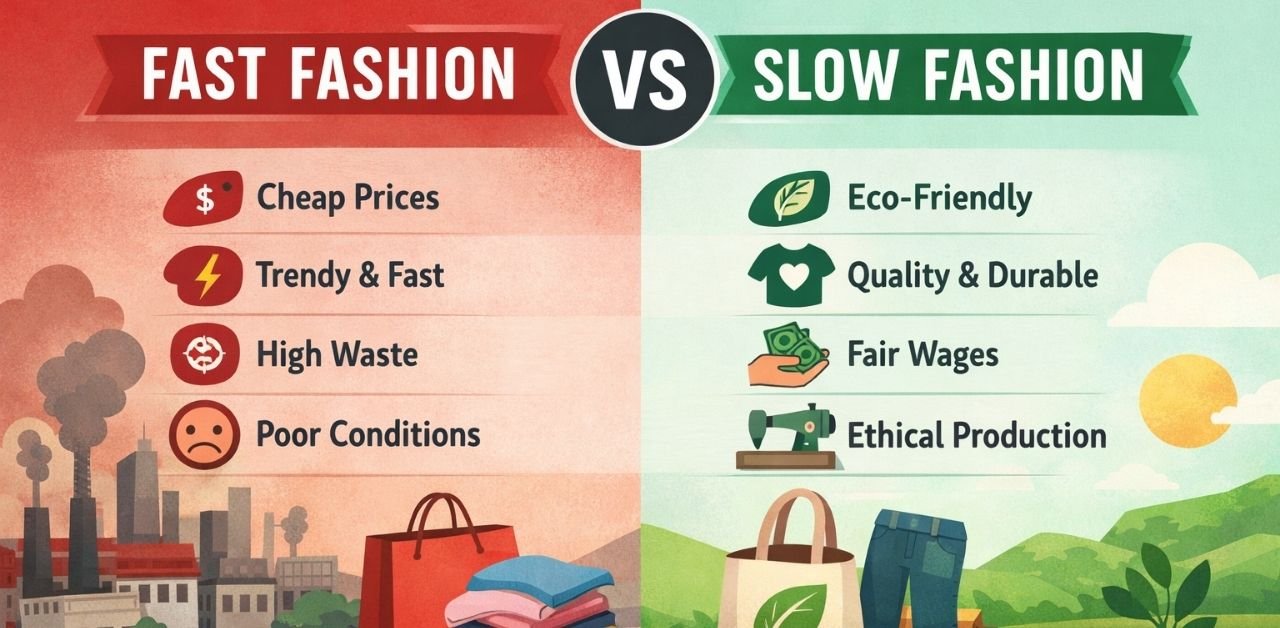
When comparing fast fashion vs slow fashion, the differences become very clear. Both systems work in completely opposite ways.
Fast Fashion
Low prices
Trend-based designs
Short lifespan of clothing
High environmental pollution
Poor labor conditions
Slow Fashion
Higher upfront cost
Timeless and classic designs
Long-lasting quality
Eco-friendly materials
Fair wages and safer factories
This comparison shows that fast fashion is built on speed and volume, while slow fashion is built on care, quality, and responsibility.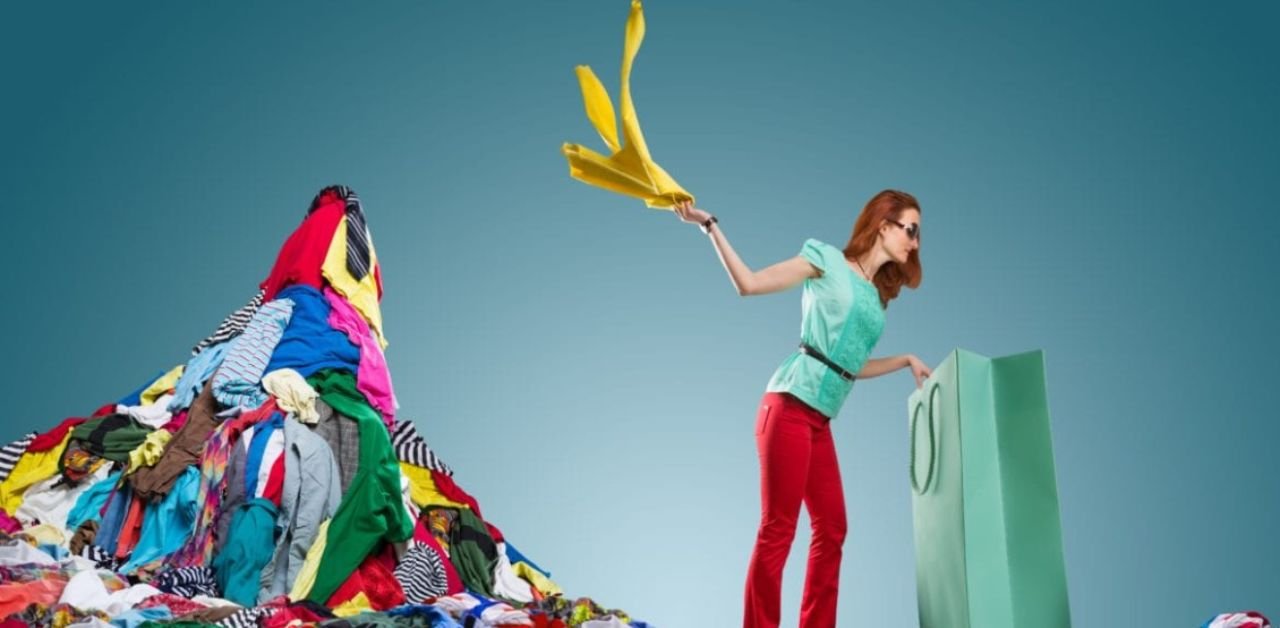
Environmental Impact of Fast Fashion
Fast fashion is one of the biggest contributors to environmental damage. Clothing production requires huge amounts of water, energy, and chemicals. For example, making a single cotton T-shirt can use thousands of liters of water.
Many fast fashion items are made from synthetic fabrics like polyester. When these clothes are washed, tiny plastic fibers are released into water systems. These microplastics harm oceans, marine life, and eventually enter the human food chain.
Because fast fashion clothes wear out quickly, they are often thrown away. Most of them end up in landfills or are burned. This creates air pollution, soil damage, and long-term waste problems.
How Slow Fashion Protects the Environment
Slow fashion takes a much more sustainable approach. Brands produce smaller collections and focus on durability instead of quantity. Many slow fashion companies choose organic cotton, recycled denim, linen, or wool.
Some brands also use closed-loop systems. This means water and materials are reused rather than wasted. Fewer clothes are produced, which reduces pollution, water usage, and carbon emissions.
By encouraging mindful shopping, slow fashion helps reduce overconsumption. Buying fewer clothes means less waste and a healthier planet.
Impact on Workers and Ethics
Fast fashion often depends on low-cost labor, especially in developing countries. Workers may be required to work long hours in unsafe conditions for very low pay. Transparency is limited, so consumers rarely know who made their clothes.
Slow fashion brands aim to change this system. They support ethical production by offering fair wages, safe working environments, and clear supply chains. Many slow fashion companies share information about their factories and workers openly.
Choosing slow fashion helps support human rights and fair treatment of workers across the fashion industry.
Price vs Value: Which Is Truly Cheaper?
At first glance, fast fashion seems cheaper. A shirt may cost very little, making it easy to buy more. However, these clothes often lose shape, fade, or tear after a few washes.
Slow fashion items cost more initially, but they last much longer. When you wear a high-quality item for years, the cost per wear becomes very low.
For example, buying one well-made jacket that lasts five years is often cheaper than buying several low-quality jackets over the same period.
How Consumer Habits Are Changing
More people are now aware of how fashion affects the world. Many consumers are choosing quality over quantity. Capsule wardrobes, second-hand shopping, clothing repairs, and sustainable brands are becoming more popular.
This shift shows that slow fashion is not just a trend. It is a long-term movement toward responsible and mindful consumption
.Tips to Choose Slow Fashion Without Stress
You do not need to stop buying fast fashion overnight. Small changes can make a big difference.
Simple tips:
Buy fewer but better-quality clothes
Choose neutral colors and classic styles
Read labels and fabric information
Support transparent and ethical brands
Repair clothes instead of replacing them
Slow fashion is about progress, not perfection. Every small step counts.
Conclusion
The choice between fast fashion vs slow fashion affects more than just your wardrobe. It impacts the environment, workers, and future generations. Fast fashion offers speed and low prices but creates serious environmental and ethical problems. Slow fashion focuses on durability, fairness, and sustainability.
As awareness continues to grow, more people are choosing mindful fashion. Buying less and choosing better is the smartest and most responsible way forward in 2026 and beyond.
FAQs
What is fast fashion in simple words?
Fast fashion means cheap clothes made quickly to follow trends.
Why is slow fashion better?
Slow fashion protects the environment and supports fair labor practices.
Is slow fashion expensive?
It costs more upfront but saves money in the long run.
Can fast fashion ever be sustainable?
Some brands improve practices, but the fast fashion model remains harmful.
How can I start slow fashion today?
Buy fewer clothes and focus on quality instead of trends.