
Responsible Fashion starts with understanding how we shop. Do you often buy cheap clothes just because they are trending? If yes, you are not alone. This habit is known as Fast Fashion.
Fast Fashion looks affordable and exciting. However, it directly goes against the idea of Responsible Fashion. It harms the environment and often exploits workers.
The good news is simple. Change is possible. This Fashion focuses on buying less, choosing better quality, and using clothes longer.
In this guide, you will learn about the 5 biggest lies of Fast Fashion and how this Fashion offers smarter, ethical alternatives starting today.
Fast Fashion vs Responsible Fashion: 5 Shocking Lies Exposed
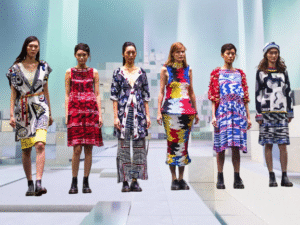
Fashion brands spend millions on advertising. Their goal is simple: to gain your trust.
They often claim to be ethical and sustainable. Unfortunately, the reality is very different.
Lie 1: The Responsible Fashion Greenwashing Myth
Reality: Most brands produce only a tiny “sustainable” collection often less than 1% of total production. The rest of their clothing is still harmful to the environment.
Impact: You feel responsible as a buyer, but the brand’s main business remains polluting.
Lie 2: Recycled Fabric Claims in Fast Fashion
Reality: Recycled polyester (R-PET) cannot be recycled again after it becomes clothing. Once thrown away, it usually ends up in landfills.
Impact: Even with a recycled label, long-term pollution continues.
Lie 3: Fast Fashion Recycling Programs Explained
Reality: Up to 80% of collected clothes are not recycled. Many are dumped in developing countries, creating massive waste problems.
Impact: Brands encourage more shopping while quietly disposing of your old clothes.
Lie 4: Fair Wages vs Responsible Fashion Reality
Reality: Most brands pay only the minimum legal wage, not a living wage. This amount is often not enough for basic needs.
Impact: Cheap clothing prices are supported by low wages and poor working conditions.
Lie 5: Micro-Trends That Harm Responsible Fashion
Reality: Fast Fashion brands deliberately create and destroy micro-trends to keep you buying.
Impact: You feel constant pressure to shop, yet remain dissatisfied with your wardrobe.
Responsible Fashion Solutions: 5 Smart & Ethical Style Hacks
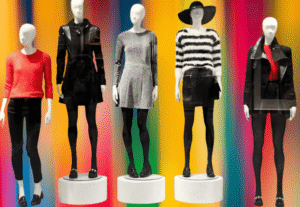
Fashion does not mean spending more money. It means making smarter choices.
Hack 1: Cost-Per-Wear – A Responsible Fashion Formula
Concept: Divide the price of an item by the number of times you wear it.
Example: One quality item worn 100 times costs less per wear than a cheap item worn only 5 times.
Benefit: Saves money and supports long-lasting fashion.
Hack 2: Local Tailors and Responsible Fashion Choices

Old Habit: Throwing away clothes that don’t fit or have minor damage.
Smart Choice: Repair, resize, or restyle clothes with a local tailor.
Benefit: Extends garment life and supports local businesses.
Hack 3: Thrifting as Affordable Fashion
Why It Works: Second-hand fashion is affordable, stylish, and sustainable.
Action: Visit local Lunda Bazaars or join online clothing swap groups.
Benefit: Unique pieces at lower prices with less environmental impact.
Hack 4: Garment Care Tips for Responsible Fashion
Proper care makes clothes last much longer.
- Wash in cold water
- Air dry whenever possible
- Wash items only when necessary
Hack 5: Digital Detox for Responsible Fashion Buyers
Problem: Social media constantly pushes new trends.
Solution: Mute or unfollow fast-fashion influencers for a few weeks.
Benefit: You learn to style what you already own and reduce impulse buying.
Conclusion: Every Purchase Is a Choice
Responsible Fashion is a journey, not perfection. You don’t need to change everything at once. Just ask yourself before buying:
- Is it durable?
- Can it be repaired?
- Will I wear it often?
The 15-Day Challenge
Try a 15-day shopping break. During this time, repair or restyle one item from your wardrobe. Small steps create big change.
Your next purchase matters, choose wisely.
FAQs
What is Responsible Fashion?
Responsible Fashion means choosing clothes that are made, used, and disposed of in a way that is better for people, workers, and the environment. It focuses on quality, fair wages, and long-term use instead of fast trends.
Is Responsible Fashion expensive?
No. Responsible Fashion is about buying less and buying smart. Using cost-per-wear, repairing clothes, and thrifting can actually save money over time.
How can I practice Responsible Fashion on a low budget?
You can start by:
- Buying fewer but better-quality items
- Shopping second-hand or from local markets
- Repairing or altering clothes instead of throwing them away
- Taking better care of your garments
Are recycled clothes really sustainable?
Not always. Many recycled fabrics cannot be recycled again after use. While better than virgin plastic, they are not a complete solution. Reducing consumption is more effective.
What is the biggest problem with Fast Fashion?
Fast Fashion causes environmental pollution, waste, and poor working conditions. It also pushes people to buy more than they need through constant micro-trends.
How can I stop impulse buying fashion items?
Try a digital fashion detox. Unfollow fast-fashion influencers, wait 24–48 hours before buying, and challenge yourself to style outfits from your existing wardrobe.